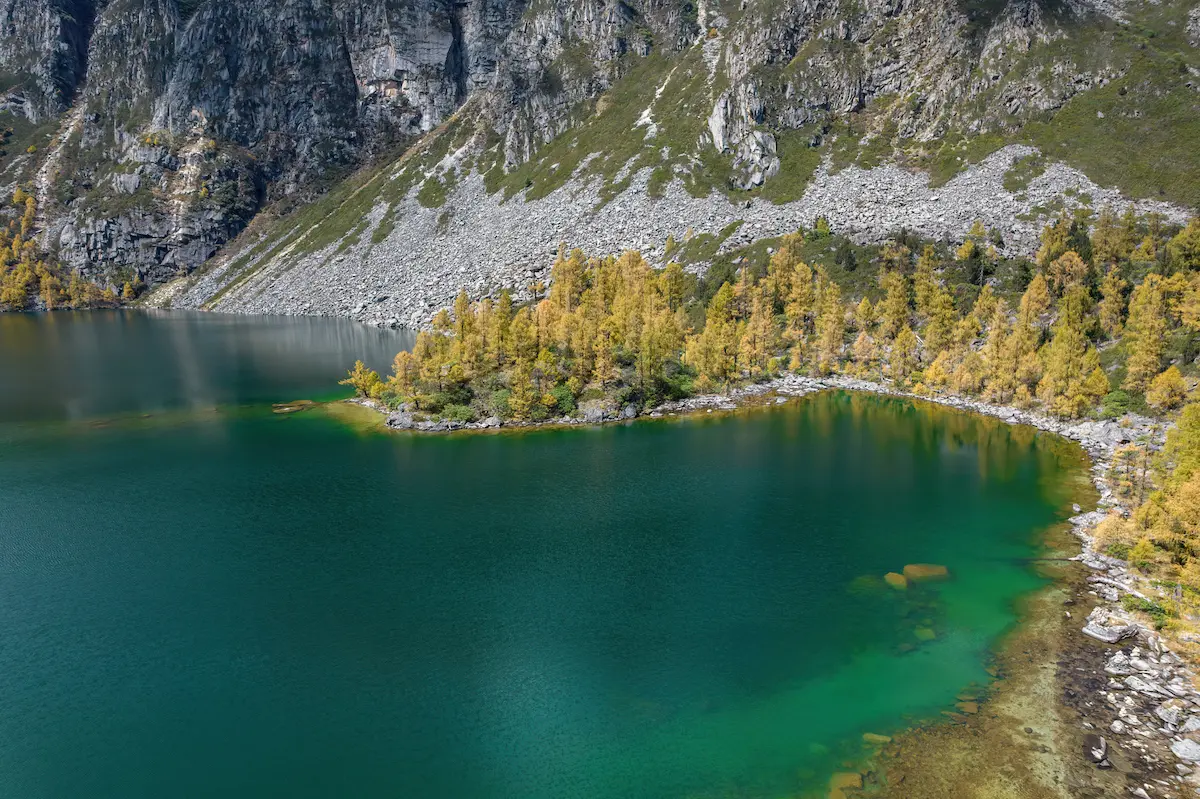
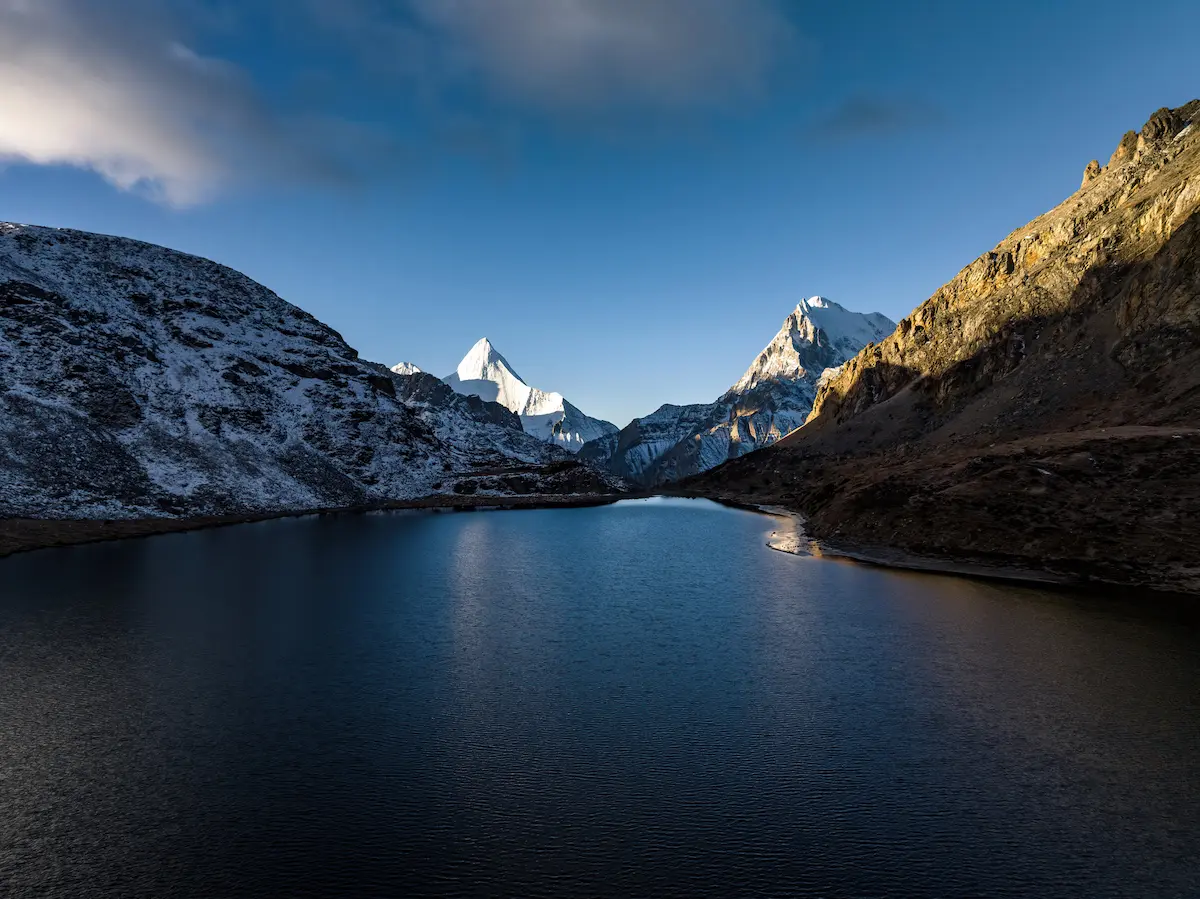
Mount Gongga & G318: The Untamed Frontier
A journey to admire Mount Gongga, “King of Sichuan Mountains”, and explore Sichuan’s rugged western frontier along G318 and G317, where Tibetan culture thrives among towering mountains, sweeping grasslands, and sacred monasteries.
Our Journey to Gongga Mountain & Beyond!
| FROM | TO | KM | TRAVEL TIME |
|---|---|---|---|
| CHENGDU | KANGDING | 270 KM | 5 H 00 MIN |
| KANGDING | LITANG | 280 KM | 6 H 00 MIN |
| LITANG | BATANG | 200 KM | 4 H 30 MIN |
| BATANG | BAIYU | 250 KM | 6 H 00 MIN |
| BAIYU | DEGE | 120 KM | 3 H 30 MIN |
| DEGE | GARZE | 150 KM | 4 H 00 MIN |
| GARZE | LUHUO | 90 KM | 2 H 30 MIN |
| LUHUO | BAIWANXIANG | 190 KM | 4 H 30 MIN |
| BAIWANXIANG | JIAJU | 150 KM | 4 H 00 MIN |
| JIAJU | DUJIANGYAN | 280 KM | 6 H 00 MIN |
| DUJIANGYAN | CHENGDU | 70 KM | 1 H 00 MIN |
Day 1: Arrival in Chengdu – Spicy Welcome
- Morning: Land in laid-back Chengdu and dive straight into buzzing Jinli Ancient Street – taste candied hawthorn, grilled rabbit, and handmade souvenirs.
- Afternoon: Step into the poetic Wuhou Shrine, honouring Zhuge Liang and the Three Kingdoms legends.
- Evening: Be dazzled by a Sichuan opera face-changing show – fire breathing, mask magic, and high-pitched arias – before retreating to your hotel in the heart of Chengdu.
Day 2: Chengdu → Kangding
- Morning: Scenic drive over misty passes to Paoma Mountain for sweeping first views of snow-capped peaks.
- Afternoon: Explore serene Nanwu Temple and feel the deep Tibetan Buddhist energy.
- Evening: Gentle sunset stroll along the rushing Zheduo River, then settle into your hotel in Kangding.
Day 3: Kangding→ Litang – Sky-High Grasslands
- Morning: Cross vast Litang grasslands where nomadic tents dot the horizon and yaks roam free.
- Afternoon: Visit majestic Litang Chöde Monastery, birthplace of the 7th Dalai Lama.
- Evening: Watch the sun melt into endless plains – pure high-altitude magic – before resting in your hotel in Litang.
Day 4: Litang → Batang
- Morning: Descend into dramatic Batang, admiring the turquoise waters of Jinsha River.
- Afternoon: Discover the golden-roofed Ganden Thubchen Choekhorling Monastery.
- Evening: Unwind on the riverbank as prayer flags flutter overhead and drift off to sleep in your hotel in Batang.
Day 5: Batang → Baiyu – Cliffside Monasteries
- Morning: Arrive at breathtaking Baiyu Monastery, a grand Tibetan Buddhist complex nestled on a tranquil hilltop.
- Afternoon: Wander prayer-flag meadows and spin giant prayer wheels.
- Evening: Join a peaceful meditation walk as monks chant into the twilight, then rest in your hotel in Baiyu.
Day 6: Baiyu → Dege – Living Library
- Morning: Enter the legendary Dege Parkhang Printing House – the world’s largest repository of Tibetan texts, still hand-printing on wooden blocks.
- Afternoon: Explore neighbouring Dege Gonchen Monastery.
- Evening: Catch the sunset glow over this historic town and relax in your hotel in Dege.
Day 7: Dege → Garze – Heart of Kham
- Morning: Immerse yourself in magnificent Garze Monastery, one of the largest in Kham.
- Afternoon: Browse colourful town markets filled with turquoise and butter lamps.
- Evening: Observe monks in evening prayer – deep horns and chanting that linger in your soul – then unwind in your hotel in Garze.
Day 8: Garze → Luhuo
- Morning: Scenic mountain drive, with free time upon arrival.
- Afternoon: Visit Shouling Temple, renowned for its sacred murals.
- Evening: Overnight stay at your hotel in Luhuo.
Day 9: Luhuo → Baiwanxiang
- Morning: Enter pristine Baiwanxiang primeval forest – towering pines and crystal streams.
- Afternoon: Light forest hike breathing the purest mountain air.
- Evening: Relax and spend the night in your guesthouse in Baiwanxiang.
Day 10: Baiwanxiang → Jiaju Tibetan Village
- Morning: Arrive in picture-perfect Jiaju – crowned “most beautiful village in China” with colourful watchtower homes.
- Afternoon: Wander flower-lined stone paths and meet local families.
- Evening: Watch the valley turn gold at sunset from the hilltop, then settle into your guesthouse in Jiaju.
Day 11: Jiaju → Dujiangyan – Ancient Engineering Marvel
- Morning: Explore UNESCO-listed Dujiangyan Irrigation System – 2,300-year-old wonder still taming the Min River floods.
- Afternoon: Visit Erwang Temple and stroll the scenic riverbanks.
- Evening: Return to your hotel in Dujiangyan.
Day 12: Dujiangyan → Chengdu
- Morning: Explore the sacred Qingcheng Mountain, birthplace of Taoism – misty trails and ancient temples.
- Afternoon: Return to Chengdu for souvenir shopping or pure relaxation.
- Evening: Grand farewell dinner – mouth-numbing Sichuan hotpot! – then back to your hotel in Chengdu.
Day 13: Chengdu – Departure
- Morning: Fall head-over-heels for giant and red pandas at the Chengdu Research Base – best chance for playful babies and breakfast viewing.
- Late afternoon/evening: Private transfer to Chengdu airport (TFU or CTU) with hearts full of Sichuan memories.
Recommended 13-day itinerary. We handcraft each experience to match your style and budget.
Start designing your exclusive China journey today.
Chengdu (成都)
Sichuan’s capital city serves as the cultural heart of southwestern China and is home to over 16 million residents. Chengdu showcases Sichuan culture through its teahouses, cuisine, and traditions while being renowned globally as the home of giant pandas.
Highlights:
Giant Panda Research Base
Visit this world-famous conservation center to observe adorable giant pandas in a natural bamboo habitat.
People’s Park Teahouses
Experience Sichuan culture by relaxing at traditional teahouses where locals gather for tea and ear cleaning.
Jinli Ancient Street
Explore this lively street featuring traditional architecture, Sichuan spicy food, and performances.
The Good, The Wild & The Untamed: Sichuan’s Mountain Road Legends
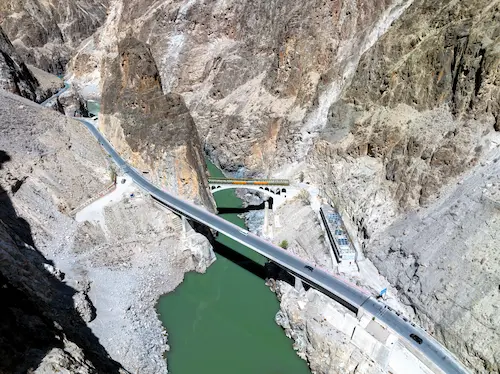
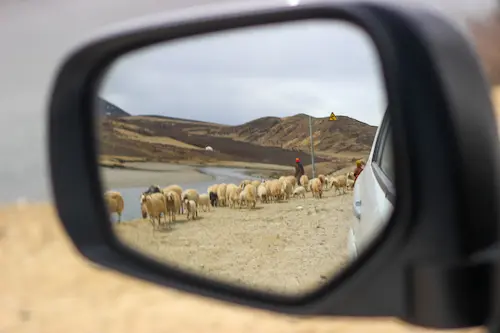
G318 – The Good
Alpine lakes, snow peaks, and Kham Tibetan villages. Perfect blend of comfort and exploration on Sichuan’s most iconic route.
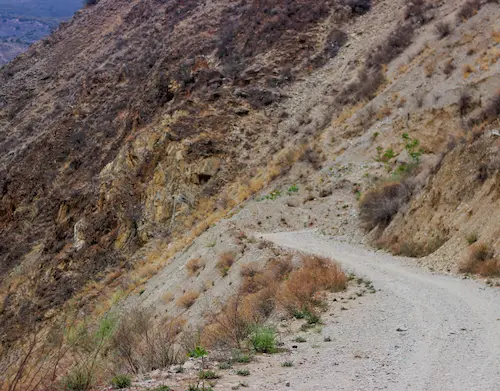
G317 – The Wild
Remote monasteries, nomadic grasslands, and authentic Tibetan life. For travelers craving road-less-traveled mystique.
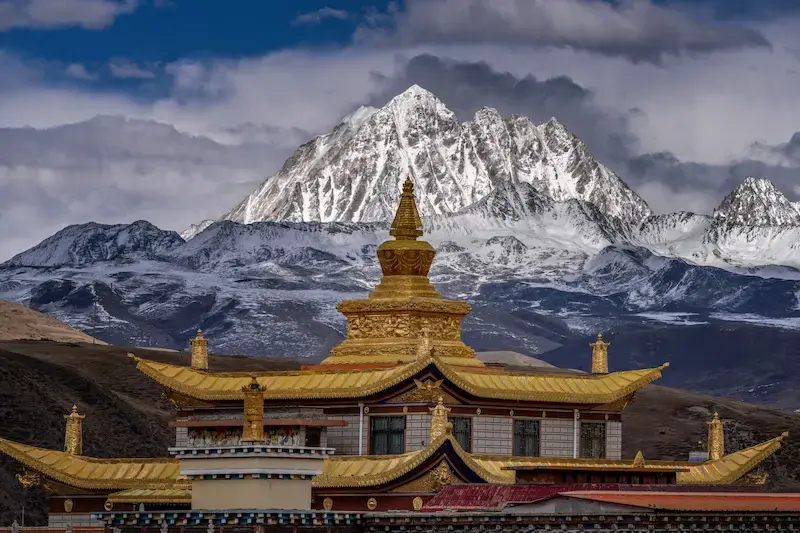
G215 – The Untamed
From Batang to Dege, Sichuan’s most thrilling drive, crossing an adventurous landscape and connecting two Tibetan cultural gems.
Kangding (康定)
Nestled in a dramatic valley at 2,560m elevation, this vibrant mountain town is situated where the Zheduo and Yala Rivers converge, creating a natural boundary between Sichuan’s lowlands and the high plateau. Famous for the romantic “Kangding Love Song,” the city blends Tibetan and Han influences.
Highlights:
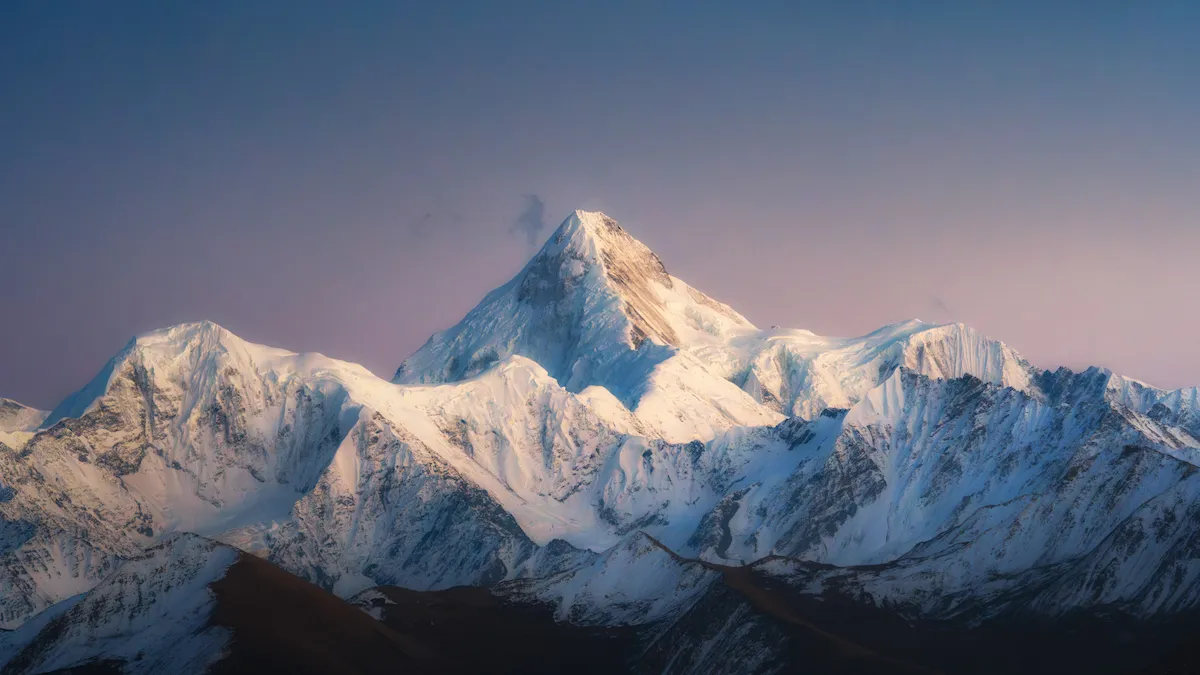
Mount Gongga
Hike toward the majestic “King of Sichuan Mountains” standing at 7,556m.
Hot Springs
Relax in natural thermal pools surrounded by alpine scenery.
Anjue Monastery
Visit this Buddhist temple and its intricate artwork.
Litang (理塘)
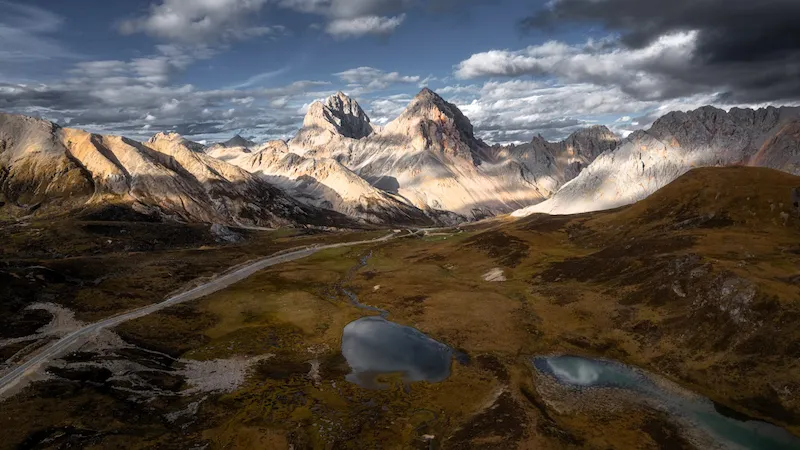
Perched high on the eastern Tibetan Plateau at an elevation of 4,000m, Litang is known as one of the highest towns in the world. This remote frontier region in western Sichuan features vast grasslands stretching to the horizon, surrounded by snow-capped mountains. With its distinctive Tibetan culture, Buddhist heritage, and annual horse racing festivals, Litang offers visitors an authentic glimpse into tradition.
Highlights:
Chonggu Monastery
Visit this Buddhist temple dating back to the 16th century, home to important religious artifacts.
Litang Grasslands
Experience the vast alpine meadows where nomadic herders graze yaks and horses.
Horse Racing Festival
Witness the exhilarating annual summer festival featuring colorful performances.
Batang (巴塘)
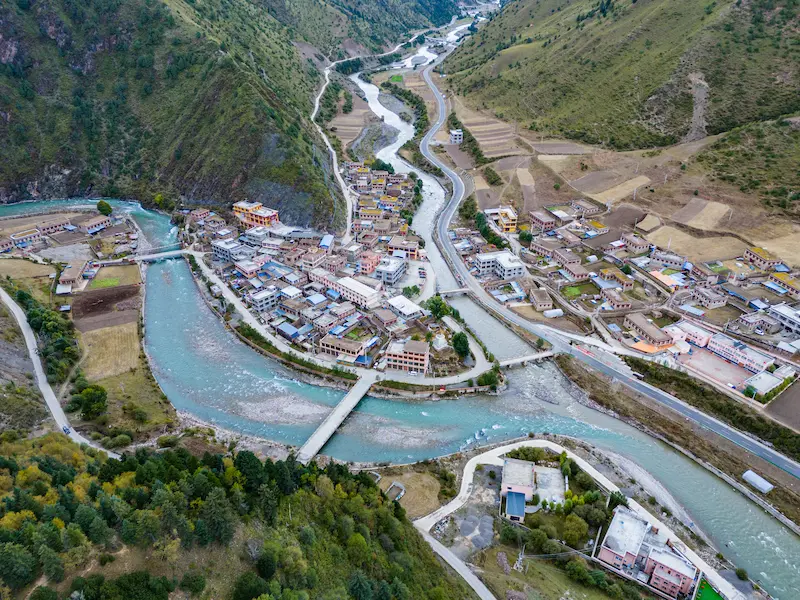
Located in western Sichuan Province near at 2,700m, Batang sits in a fertile valley surrounded by towering mountains. This historic town served as an important stop on the ancient Tea Horse Road and features distinctive architecture, religious sites, serving as a strategic gateway between Sichuan and Tibet.
Highlights:
Batang Valley
Explore the beautiful river valley with its farmland, traditional villages, and views of the Hengduan Range.
Kangning Monastery
Visit this Buddhist complex with its collection of cultural artifacts and intricate murals.
Baiyu (白玉)
Located in western Sichuan’s Garzê Tibetan Autonomous Prefecture, Baiyu sits along the majestic Jinsha River at an elevation of 3,000m. With its strong Tibetan cultural identity, ancient monasteries, and untouched natural landscapes, Baiyu offers visitors an authentic glimpse into traditional Tibetan life in one of China’s most spectacular mountain regions.
Highlights:
Baiyu Monastery
Explore this Buddhist monastery dating back to the 13th century, known for its spiritual importance to local Tibetan communities.
Jinsha River
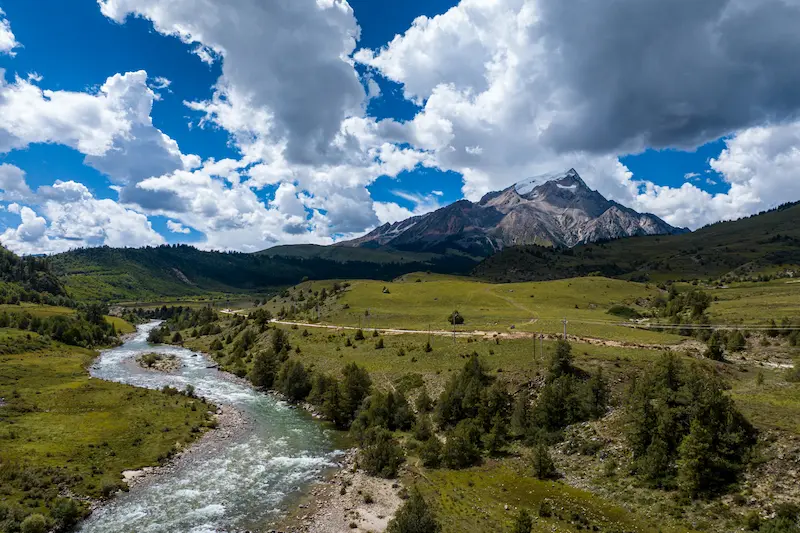
Witness the breathtaking landscapes where the Jinsha River carves dramatic gorges through towering mountains.
Yarchen Gar Monastery
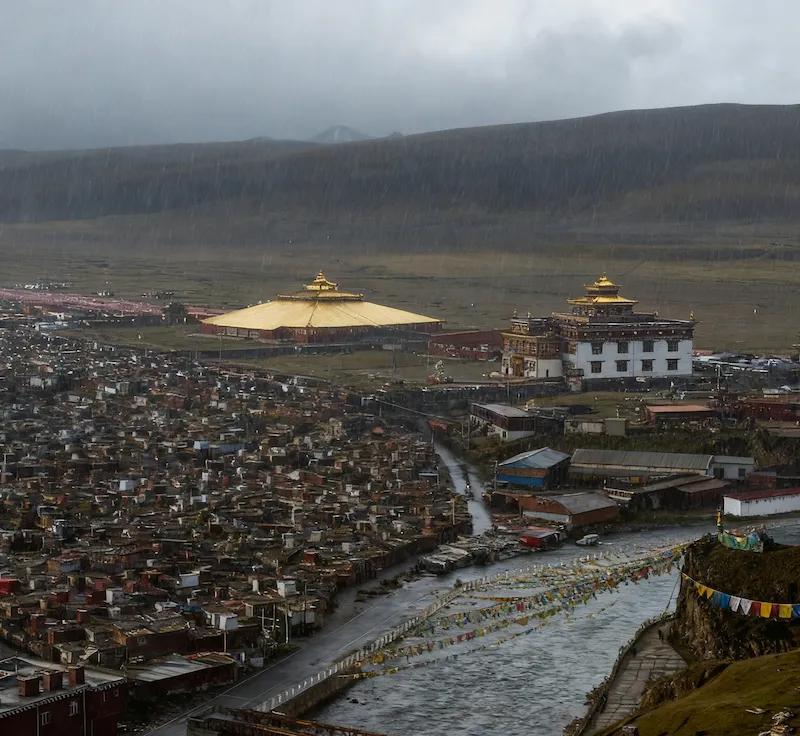
Visit this renowned Buddhist site, known for its red-roofed dwellings and large community of practitioners.
Dege (德格)
Located in the Garzê Tibetan Autonomous Prefecture at 3,250 meters elevation, Dege stands as a vital cultural center of Tibetan Buddhism. The town is famous for the Dege Parkhang (Printing House), a treasured symbol of Tibetan heritage. Dramatic mountains, deep valleys, and pristine forests surround this spiritual and cultural landmark.
Highlights:
Dege Parkhang
Established in 1729, this famous printing house preserves ancient woodblock techniques for producing traditional Tibetan Buddhist texts and artwork..
Mountain Trekking
Explore the surrounding mountains to discover remote villages, forests, and breathtaking views of the eastern Tibetan plateau.
Luhuo (炉霍)
Located in the Garzê Tibetan Autonomous Prefecture of Sichuan at an elevation of 3,200 meters, Luhuo is a traditional Tibetan town surrounded by dramatic mountain landscapes. This cultural hub features colorful Tibetan architecture, ancient monasteries, and sprawling grasslands, offering visitors an authentic glimpse into Tibetan pastoral life.
Highlights:
Monastery Visits
Explore Luhuo’s ancient Buddhist monasteries with their intricate artwork, prayer halls, and daily religious ceremonies.
Mountain Trekking
Hike through the surrounding highlands to discover remote villages, pristine alpine meadows, and panoramic views of the eastern Tibetan plateau.
Baiwanxiang (百湾乡)
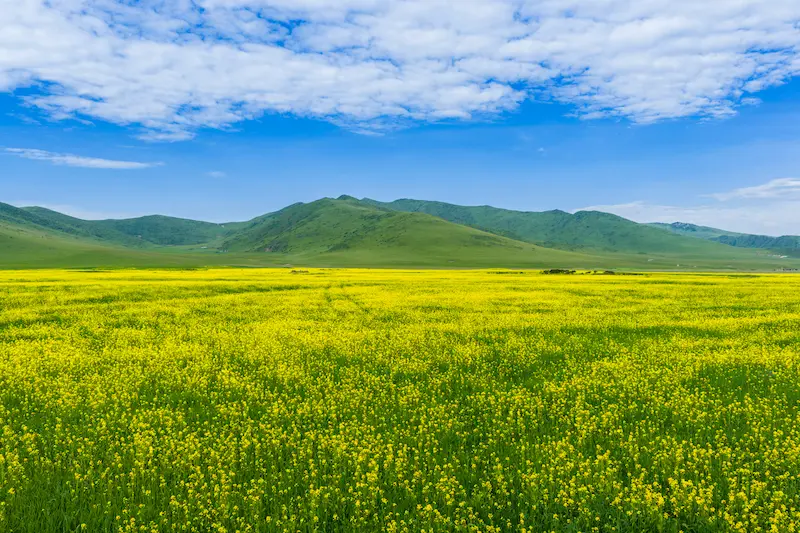
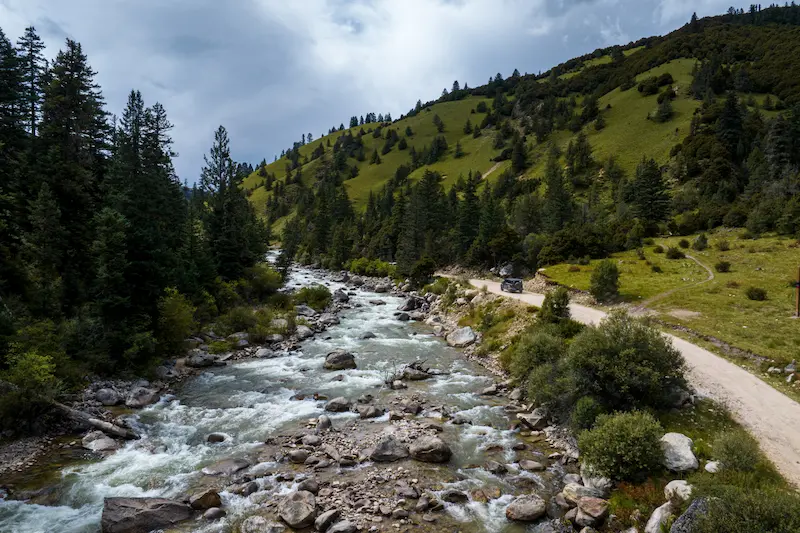
Located in the western region of Sichuan Province, Baiwanxiang offers some of the most spectacular mountain scenery along the G317 National Highway. This remote area features dramatic elevation changes, winding mountain roads, and breathtaking vistas that have made it a favorite among adventure travelers and photographers seeking China’s most picturesque driving routes.
Highlights:
Scenic Overlooks
Stop at numerous viewpoints along the route to photograph the dramatic landscapes, colorful prayer flags, and the road’s impressive switchbacks cutting through the mountains.
Jiaju Village (甲居藏寨)
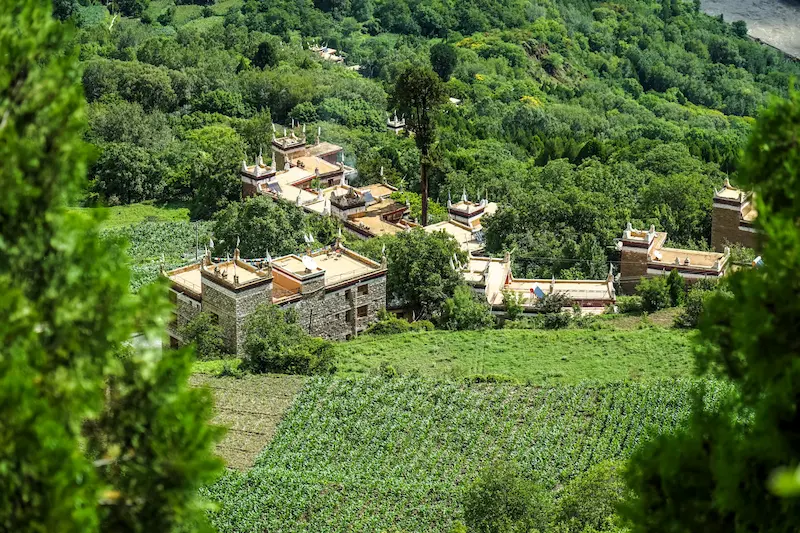
Jiaju Village sits on the eastern edge of the Tibetan plateau at an elevation of 2,200 meters. Known as “the most beautiful Tibetan village in China,” Jiaju features distinctive white-walled, red-topped Tibetan houses cascading down lush green hillsides, creating a stunning visual contrast against the surrounding mountains.
Highlights:
Traditional Architecture
Explore the unique three-story Tibetan homes built with locally sourced stone and wood, adorned with intricate paintings and woodcarvings that reflect centuries of Tibetan cultural heritage and craftsmanship.
Panoramic Viewpoints
Hike throughout the village, offering breathtaking views of the settlement against the backdrop of snow-capped mountains, particularly stunning during sunrise and sunset.
Dujiangyan (都江堰)
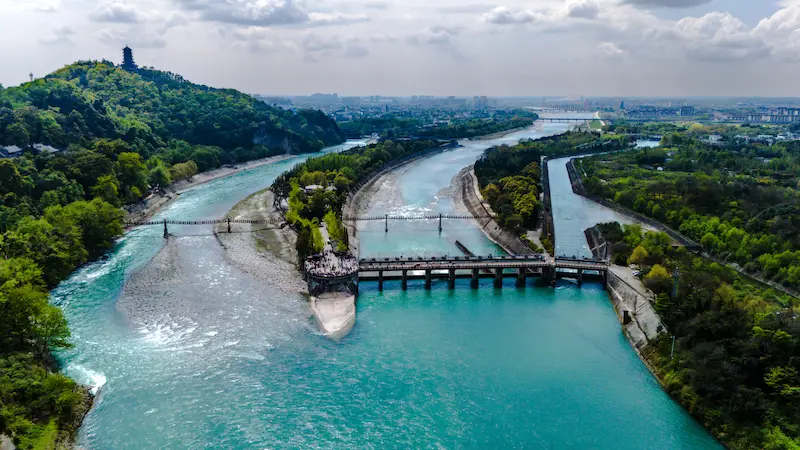
Located just 60 kilometers from Chengdu, Dujiangyan serves as the perfect final rest point before returning to the provincial capital. This UNESCO World Heritage Site is home to the world’s oldest non-dam irrigation system still in use today, dating back to 256 BCE during the Qin Dynasty. The ancient engineering marvel continues to irrigate over 5,300 square kilometers of land in the region.
Highlights:
Ancient Irrigation System
Marvel at the ingenious 2,200-year-old irrigation works that prevent flooding and provide water to the Chengdu Plain.
Erwang Temple
Visit this scenic temple complex dedicated to the engineer Li Bing and his son, who designed the irrigation system.
Dujiangyan Panda Base
This sanctuary focuses on rehabilitation, letting you contribute and enjoy these gentle giants.
Table Of Contents
Your Journey Includes:
Considering the customizable nature of your trip, please regard the following as indicative and subject to modification based on your preferences. What will be included will ultimately be clearly specified in the Travel Services Contract prepared specifically for your travel experience:
- Private Transfers & Transportation
- Private airport transfers at the start/end of the trip
- Private vehicle and driver for all major overland journeys outlined in the final itinerary / Rental vehicle for self-drive trips, including insurance coverage
- Major train journeys
- Domestic flights and related taxes
- Guide/Coordinator & Activities
- Dedicated English-speaking guide/coordinator
- All entrance fees and activity costs per itinerary
- Accomodation
- Hotels based on availability and your preferred travel style (double occupancy)
- Daily breakfast
- Travel Support & Equipment
- In the case of an independent trip, remote support from the Ink Voyages Team throughout the duration of your journey
- Camping equipment (tents, sleeping bags) where applicable
- Support for setting up the main Chinese apps required for traveling in China
Your Journey does not include:
Considering the customizable nature of your trip, please regard the following as indicative and subject to modification based on your preferences. Anything not included will be clearly specified in the Travel Services Contract prepared specifically for your travel experience:
- Chinese tourist visa (can be required for some foreign passport holders – See our dedicated section “Tips&Tools – VISA Guidelines”)
- International flights and related taxes
- In the case of a self-drive itinerary, fuel costs and tolls
- Excursions/activities beyond the planned itinerary
- Personal expenses
- Travel/medical insurance (See our dedicated section “Tips&Tools – Travel Insurance)
- Meals and dining expenses
- Gratuities for guides and drivers (at your discretion)
- Any items/services not specified in “Your Journey Includes”