A Photographic Journey Through Rural Yunnan
Table of Contents:
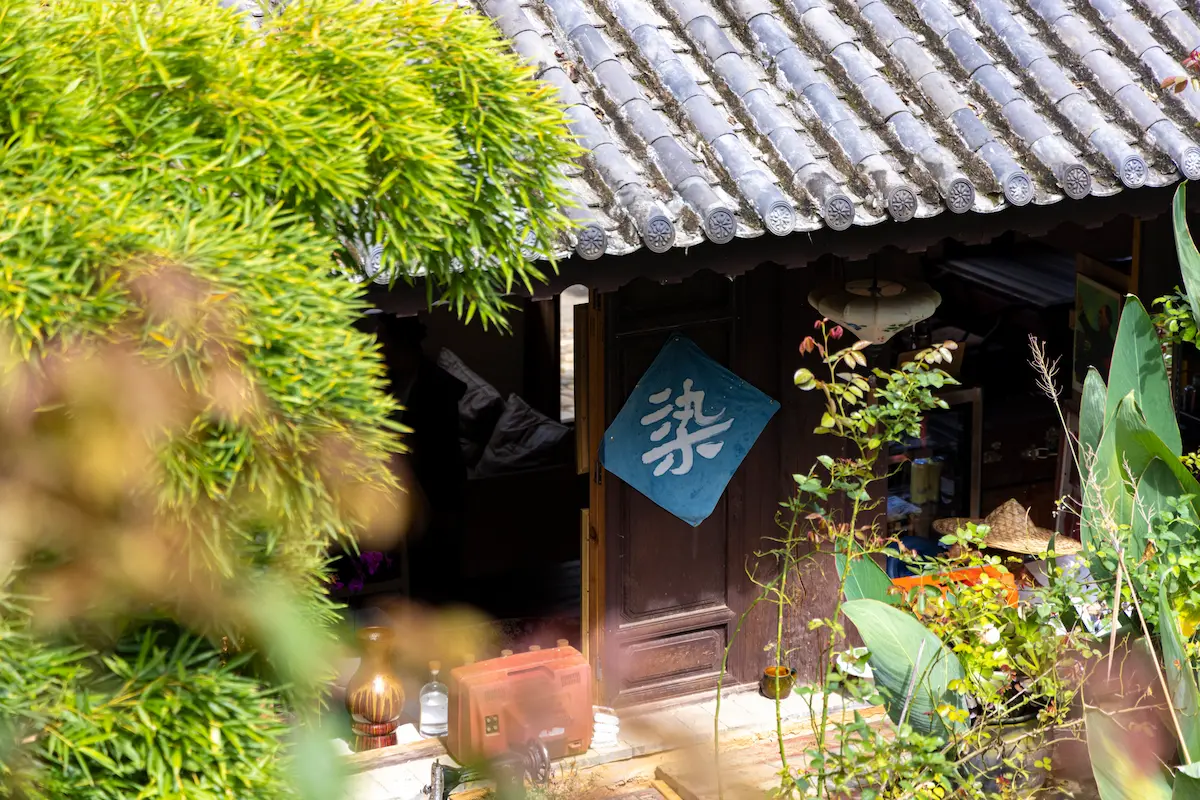
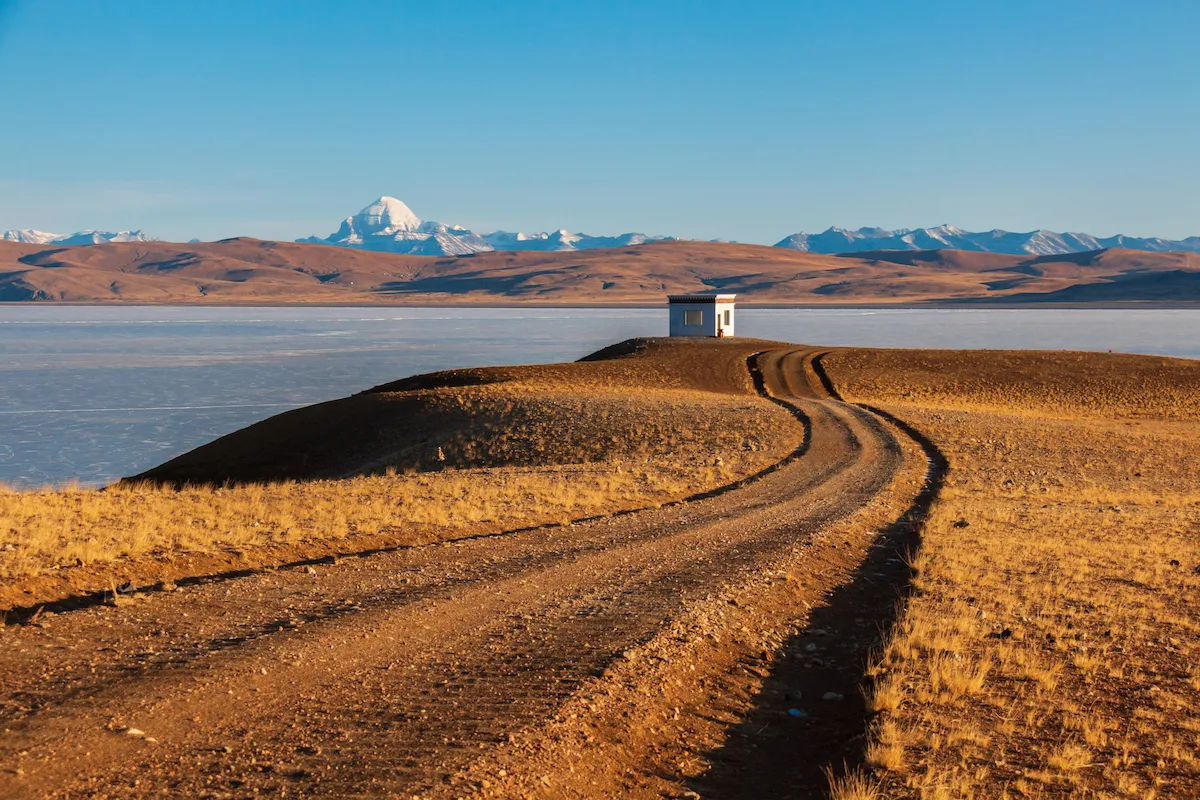
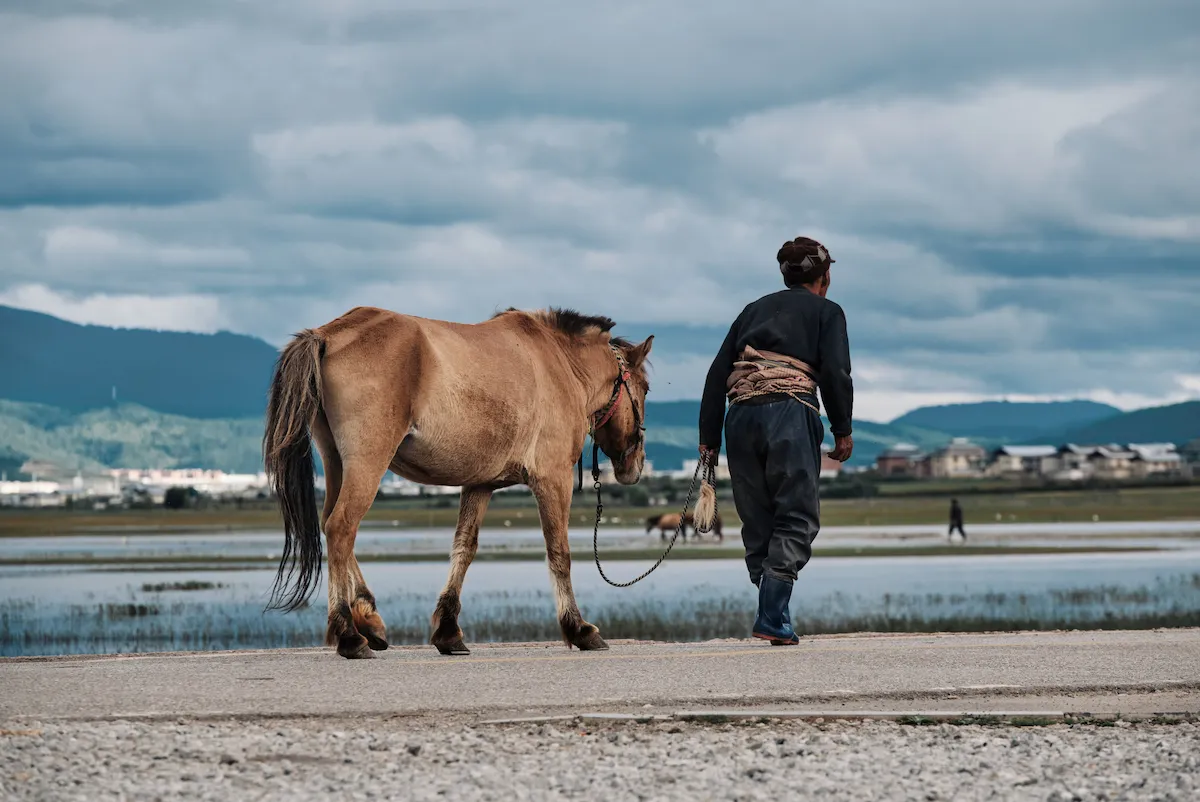
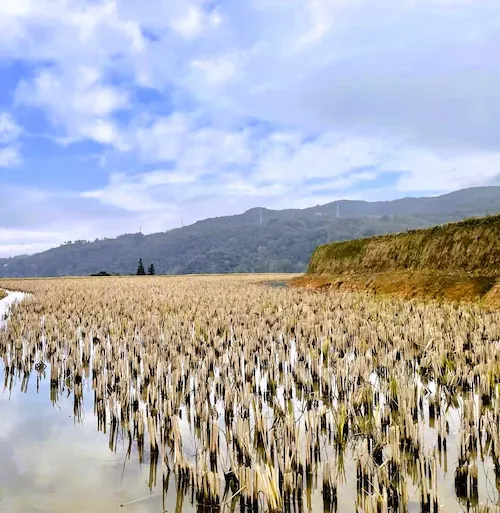
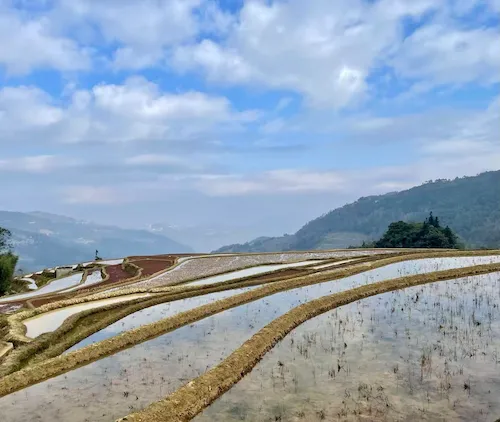
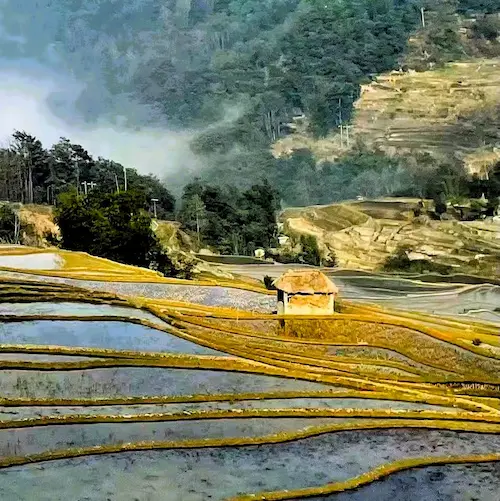
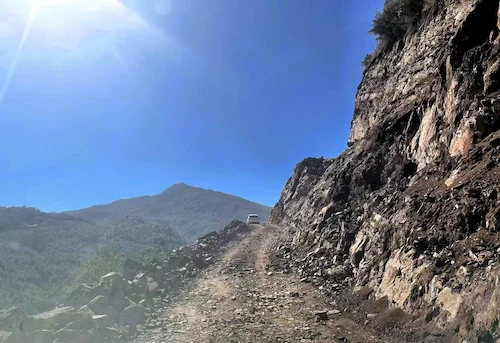
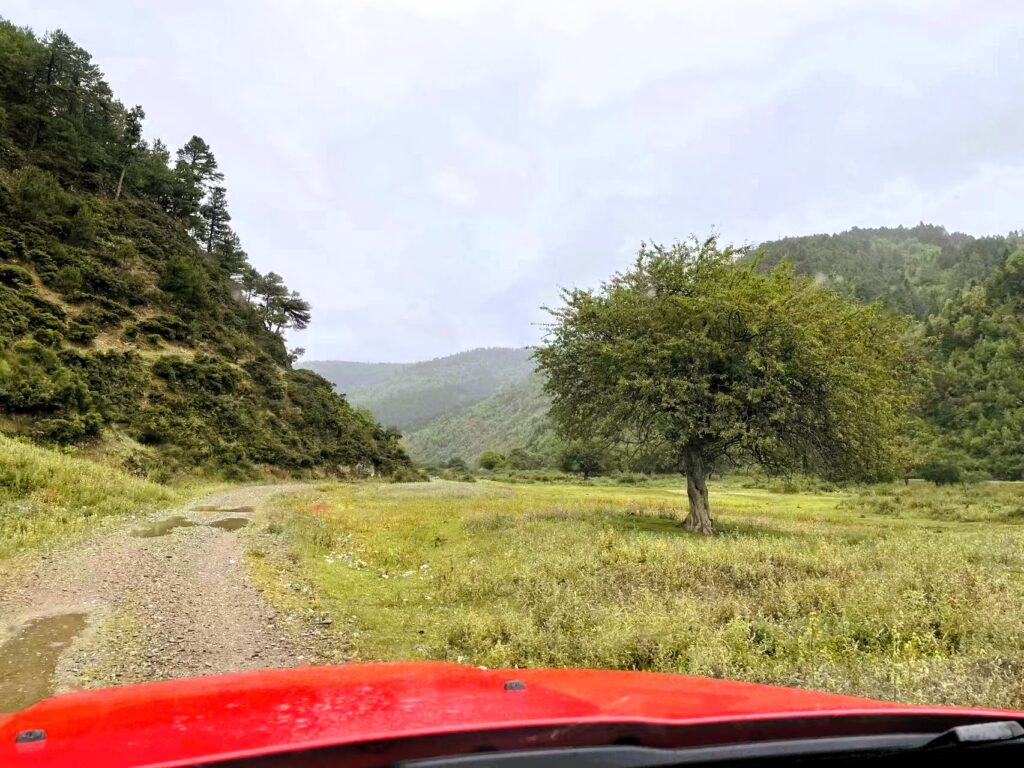
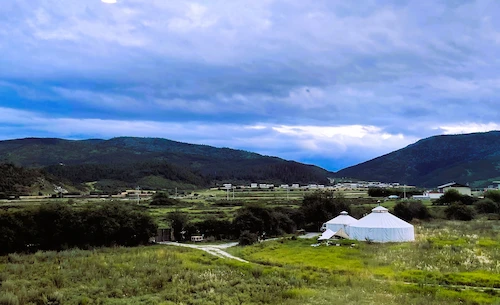
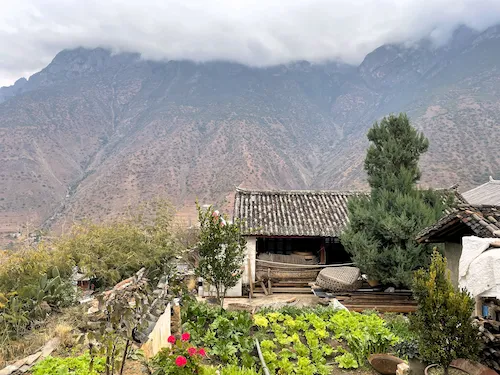
In this article, we want to share with you the face of rural Yunnan through a series of photographs that—while certainly not claiming to be masterpieces—have the undeniable merit of being completely authentic. Except for two shots by skilled photographers, all the others come straight from our sensitive and emotional smartphones.
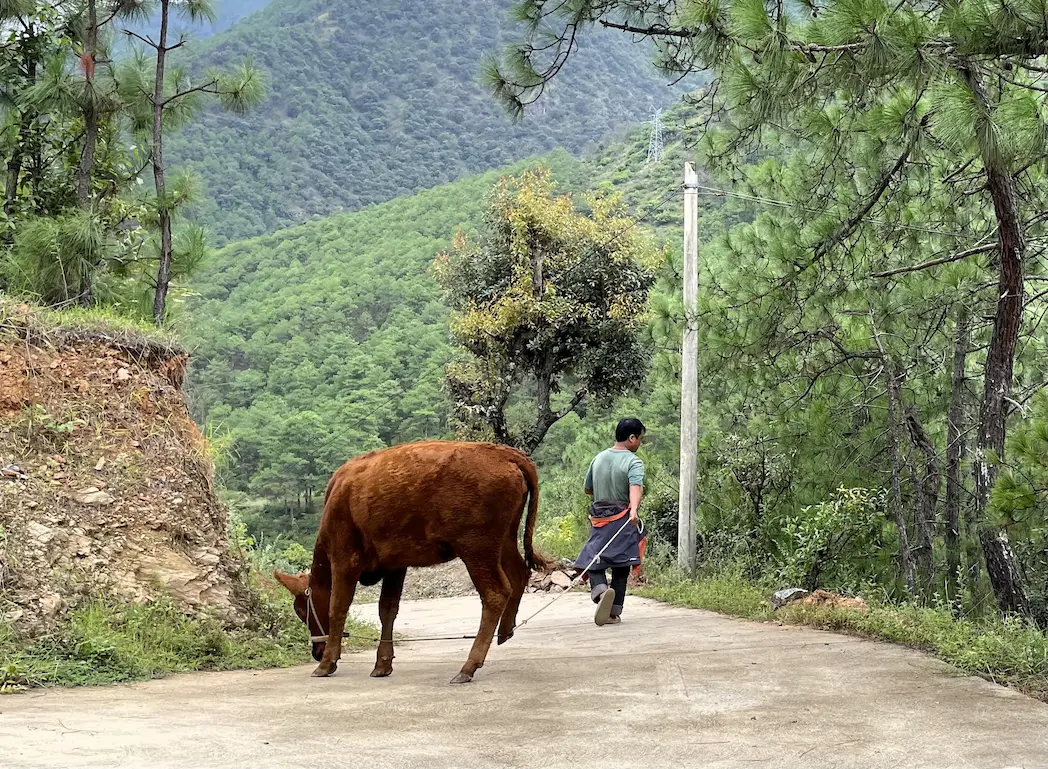
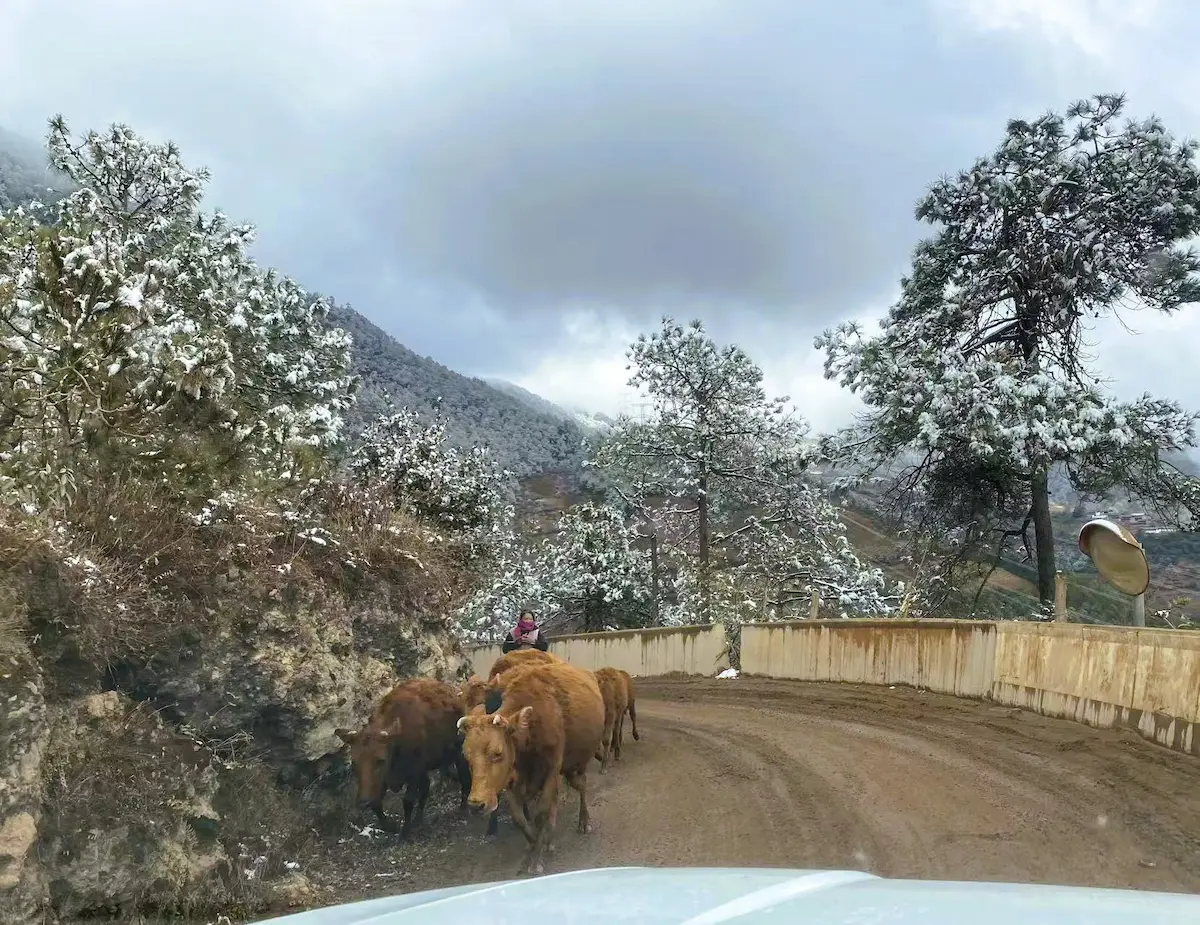
Many of them were taken while driving and we hope they manage to convey the “on the road” sensations you experience while exploring this magnificent region. We at Ink Voyages love them precisely because of their spontaneity.
We hope that through this story and these images we can give you an idea of the faces, the culture, and the atmospheres that intertwine to create a varied and spectacular mosaic—one that still preserves its traditional charm intact.
To be clear: what we’ll share below is just a glimpse of Yunnan. Don’t imagine that the region is only made up of villages… Modernity has reached these lands too, but in a partial way and at an admirably slow pace.
The Most Diverse Province in China
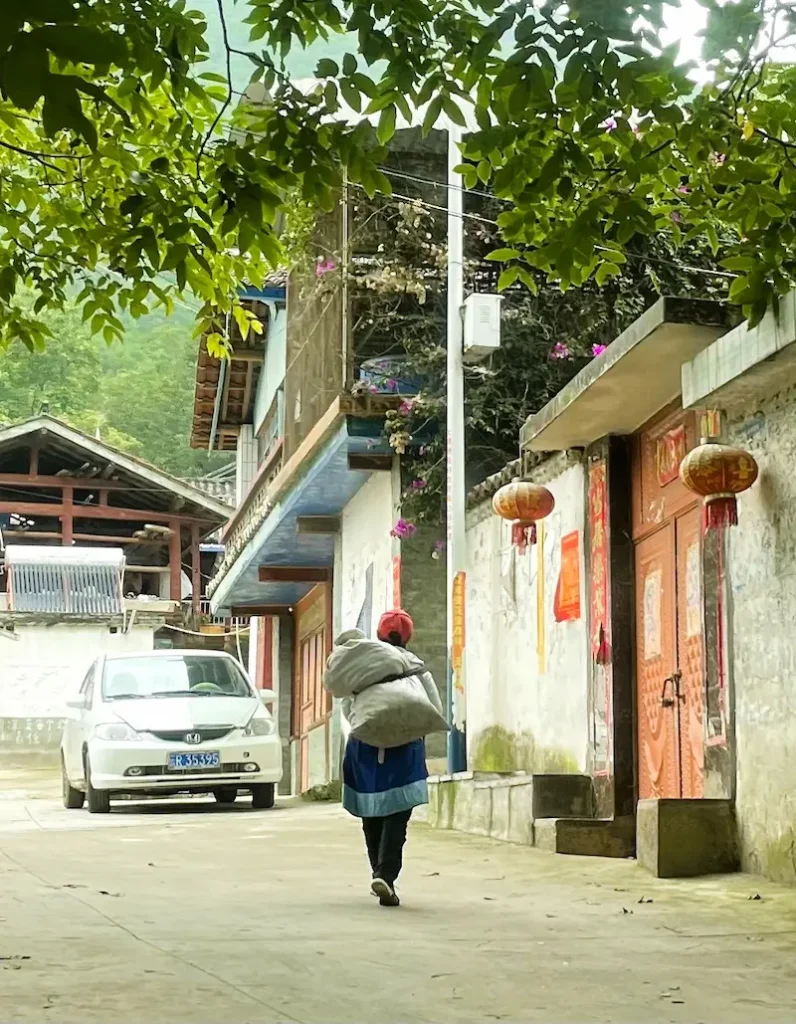

What you’ll notice as you explore Yunnan more deeply is the striking ethnic diversity of this region. Obviously—unless you’re an expert—you won’t be able to tell at a glance which ethnic group a person belongs to, especially considering that Yunnan is home to no fewer than twenty-five. Still, what will immediately catch your eye is the presence of facial features and physiognomies that are clearly different from those of the “Han” (China’s majority ethnic group).
To dive deeper into this topic and find other useful information about Yunnan, you can read our in-depth guide here, which will help you prepare for your trip to this region in the best possible way.
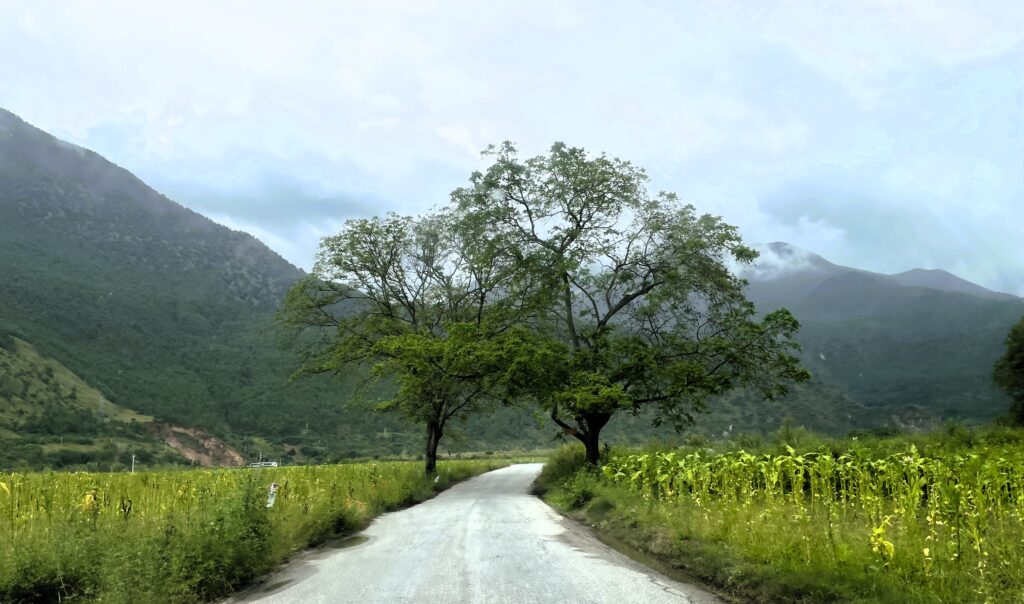
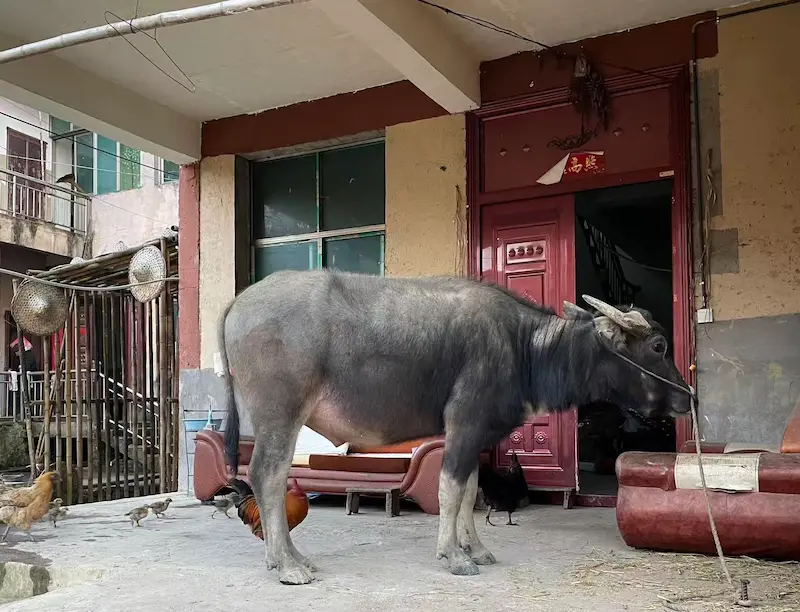
The immense human variety of this borderland will become immediately obvious, and you’ll find yourself immersed in a region that quickly dispels the image of a monolithic China, opening your eyes instead to the many images—strictly plural—of an extremely diverse and kaleidoscopic nation within itself. Yunnan is the best place to truly understand this.
It’s also worth noting the ability of Yunnan’s different ethnic groups to coexist in complete harmony, without rigid barriers between the various counties of the region. Indeed, although certain counties or prefectures have a majority presence of specific ethnicities, this doesn’t exclude the presence of others on the same territory—in line with a way of life that is naturally inclusive and peaceful.
On-the-Road Encounters
While traveling on the road in Yunnan, you’ll have at least three distinctive types of encounters that always warm our hearts:
The Carts
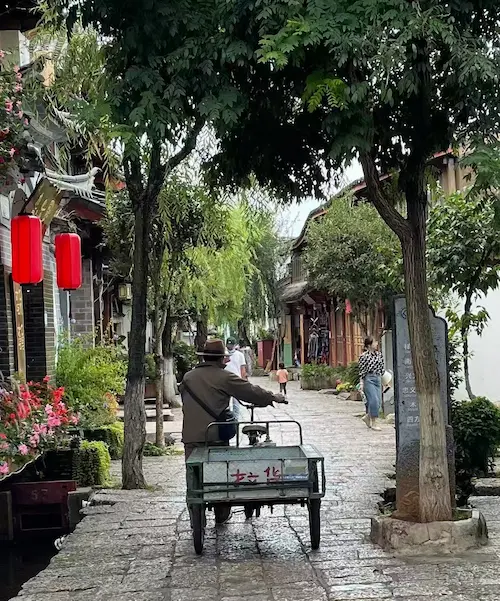
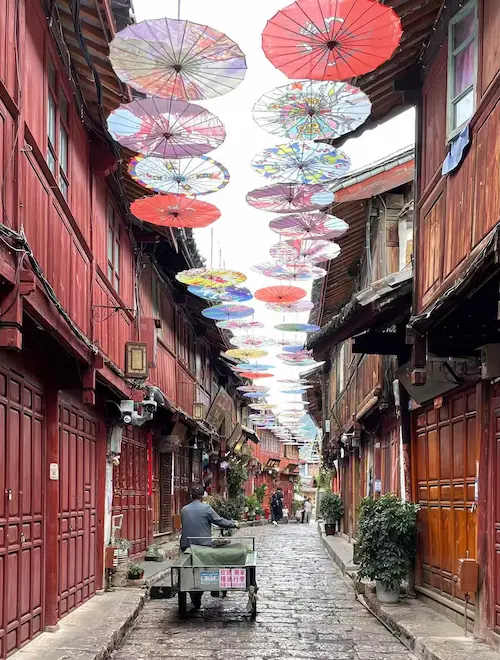
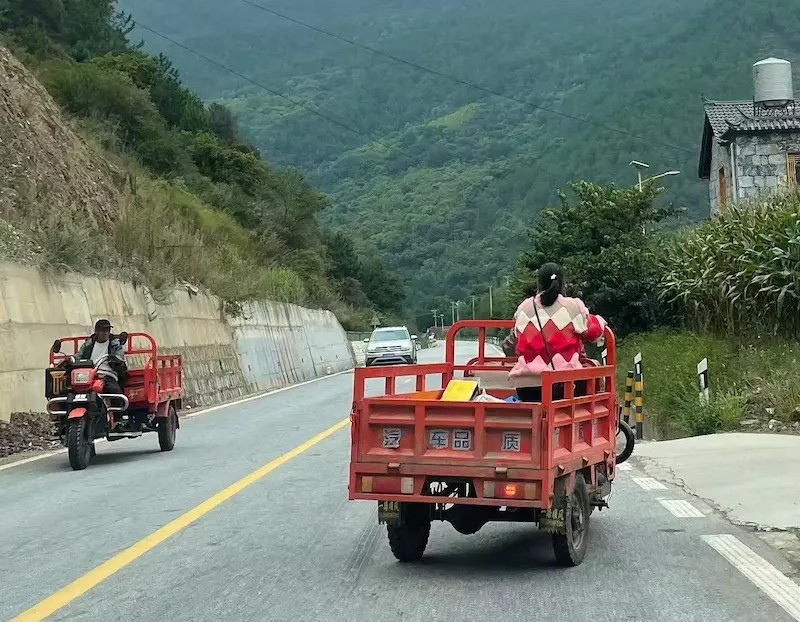
The carts (a bit like ape-car three-wheelers): of various types and colors, they can carry just about anything—including people. Be prepared that sometimes they’ll slow you down, other times they might even make you curse when they suddenly change direction, cutting across your path, or disappear down a country lane without paying any attention to road signs… But one thing is certain: when you get home, you’ll remember them with a smile!
The Animals
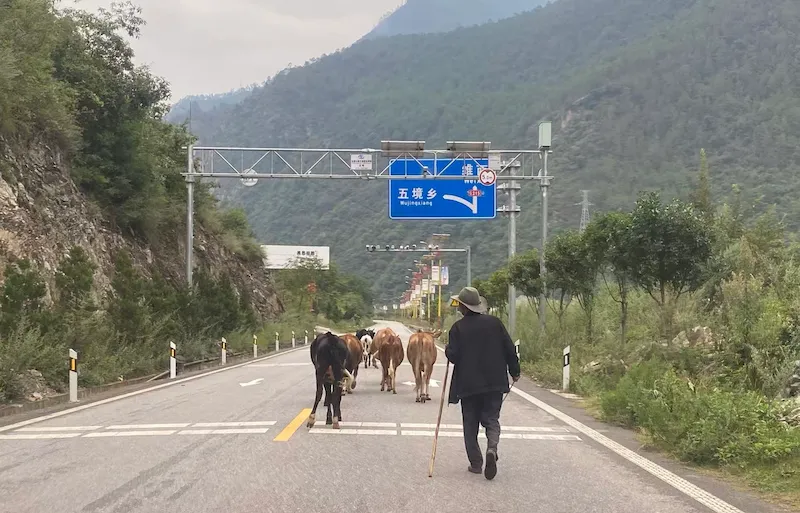
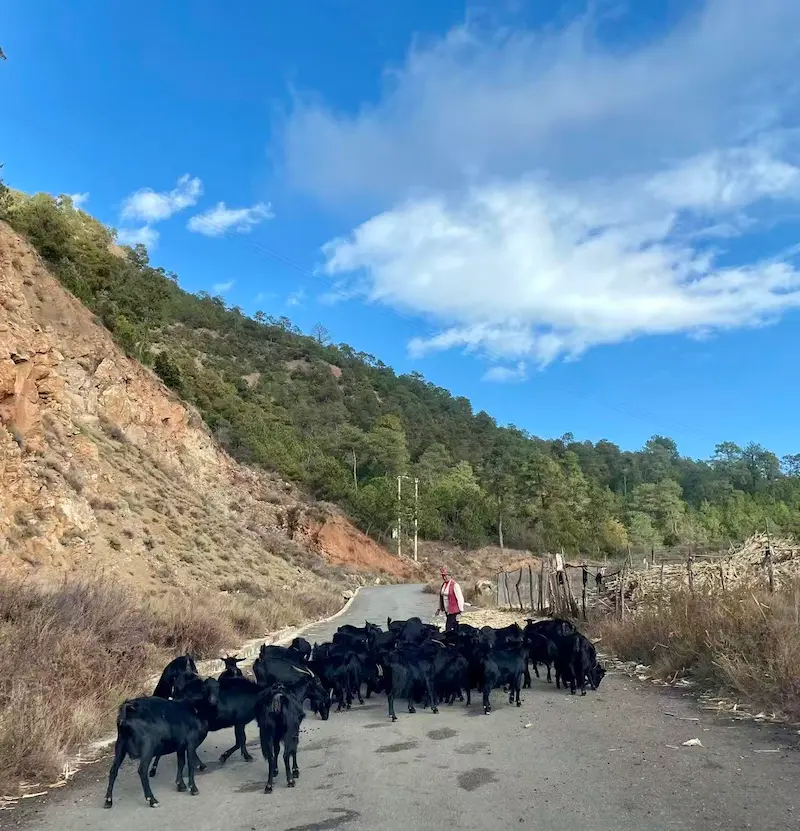
Just like the carts, they can be pretty reckless! Be careful when driving on secondary roads, because here animals don’t hesitate to stand right in the middle of the road, completely unconcerned that you need to pass. For some reason we don’t understand, having to stop to let a chicken, some cows, or a few goats cross always delights us immensely… and we can’t resist taking a photo.
The People
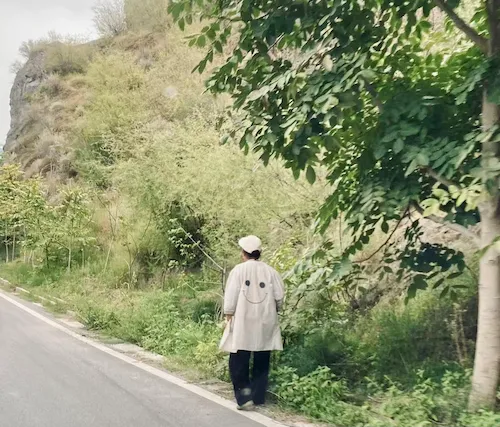
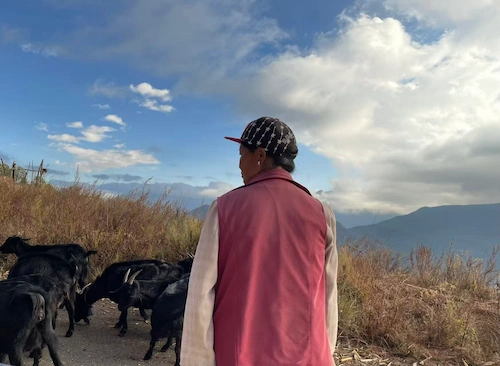
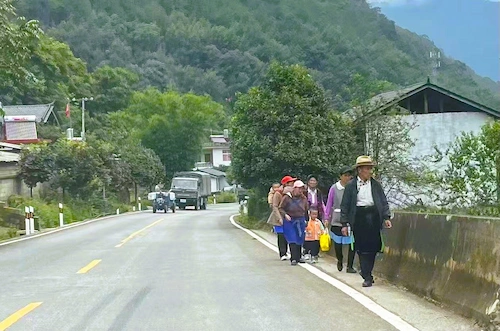
Obviously—last but not least—the locals, who truly convey a strong sense of tradition, with characteristic faces and clothing that preserve the memories of a world and a way of life that still endures. Even among the younger generations, the sense of belonging to a specific culture—one of Yunnan’s minority groups—is passed down and remains very much alive, embodied in everyday life and not just preserved in a museum-like way.
If you travel deep into Yunnan, you’ll also notice the living presence of multiculturalism from a linguistic point of view: beneath Mandarin Chinese, which is the unifying and official language, there are in fact the local languages of the minorities, spoken spontaneously and contributing to the vibrant, pulsing diversity of this region.
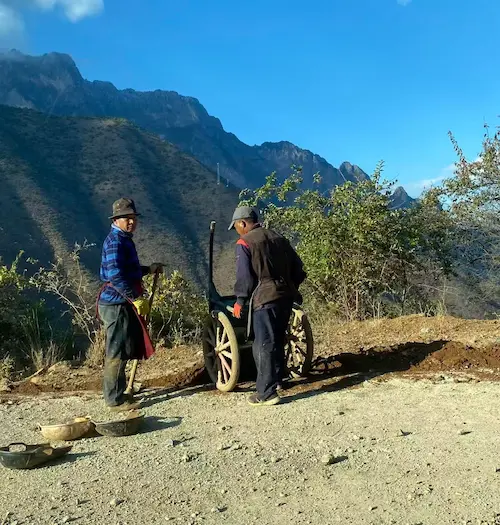
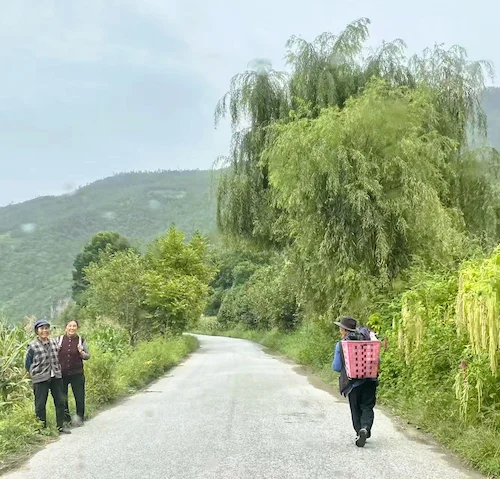
You can discover here two of our recommended itineraries in this region: one that takes you to explore the northwest, and one dedicated to the northeast. In both cases, you can be sure we’ll guide you to discover Yunnan in a creative and in-depth way, giving you the chance to have the very same kinds of encounters you see in our photos and that we’re telling you about.
To explore other regional destinations or more itineraries in Yunnan, feel free to take a look at our curated travel proposals, each one customizable according to your travel style and preferences.
A Final Story & a Cultural Tip
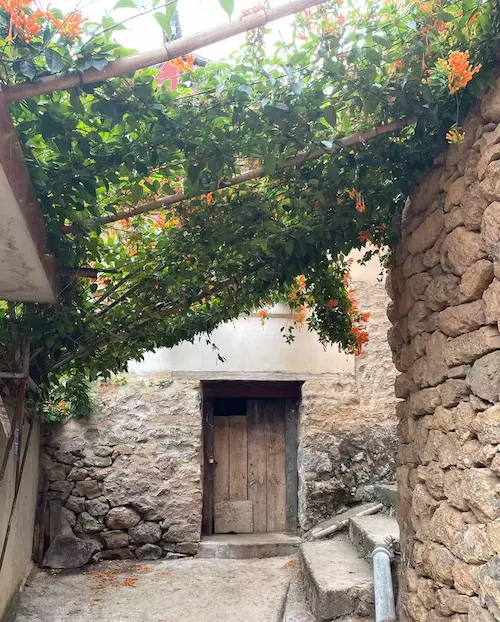

To share just one episode that can come out of these encounters, we’d like to tell you what happened to us on Christmas Eve last year in Yuanyang, where we were invited to dinner by a local family, had the fortune to eat pork from one of their pigs, and drank baijiu all together. In case you didn’t know, baijiu is China’s most iconic alcoholic spirit—we recommend trying it in very, very small doses, since it easily exceeds 40% ABV.
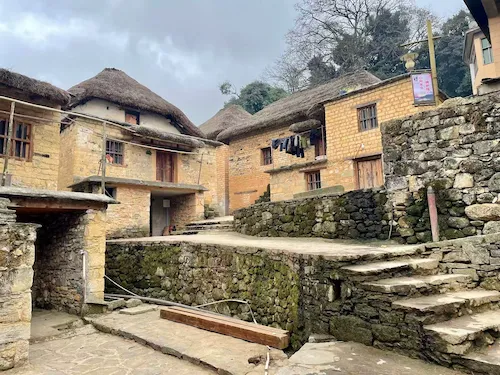
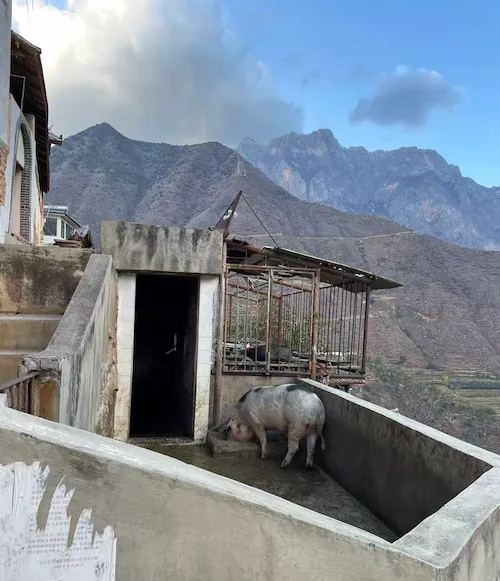
By the way, don’t be surprised if, while in China, you come across Christmas celebrations even in remote places like Yuanyang. Whether it’s decorations or a family dinner, Chinese culture has a very inclusive side and happily incorporates some foreign holidays too. So yes—in the remote south of Yunnan, we celebrated Christmas Eve with a local family.
Finally, here’s an expert tip you can put into practice if you ever find yourself sharing a meal with locals (not just in Yunnan—this applies all over China). Remember: in China, people usually don’t drink alone. During a meal, glasses are raised together and a collective toast happens whenever someone calls for one, usually saying: “Lai, lai, lai!”
A variation of this ritual is when one guest addresses another directly (no longer the whole table) and invites them to a dedicated toast—still in front of everyone else. It’s a way to thank someone specifically, or to show gratitude and affection.
Both styles can alternate very naturally and frequently throughout a meal. But do not forget Ink Voyages’ advice: baijiu… only in tiny doses!
And armed with this toast tip, you’re now perfectly ready to blend into local culture! If you’d like to visit Yunnan or other destinations in China, we’d be delighted to help you plan your adventure.