Rainbow Mountains, Warriors & Dunes
A journey through China’s northwestern corridor to discover the magnificent Rainbow Mountains, the wonders of ancient Buddhist caves, and the rich heritage of the Silk Road.
Our Journey through China Rainbow Mountains, Terracotta Warriors & Dunes
| FROM | TO | KM | TRAVEL TIME |
|---|---|---|---|
|
XI’AN
SHAANXI
|
ZHONGWEI
NINGXIA
|
580 KM | 4 H 15 MIN |
| ZHONGWEI | LANZHOU | 220 KM | 1 H 45 MIN |
| LANZHOU | ZHANGYE | 508 KM | 5 H 40 MIN |
| ZHANGYE | JIAYUGUAN | 223 KM | 2 H 36 MIN |
| JIAYUGUAN | DUNHUANG | 378 KM | 4 H 10 MIN |
Day 1: Arrival in Xi’ An – Terracotta Warriors
- Morning: Arrive in Xi’an and head straight to the world-famous Terracotta Warriors – one of the greatest archaeological discoveries of the 20th century.
- Afternoon: Wander the lively Muslim Quarter, tasting iconic street food (roujiamo “Chinese hamburger,” crumbled lamb stew yangrou paomo).
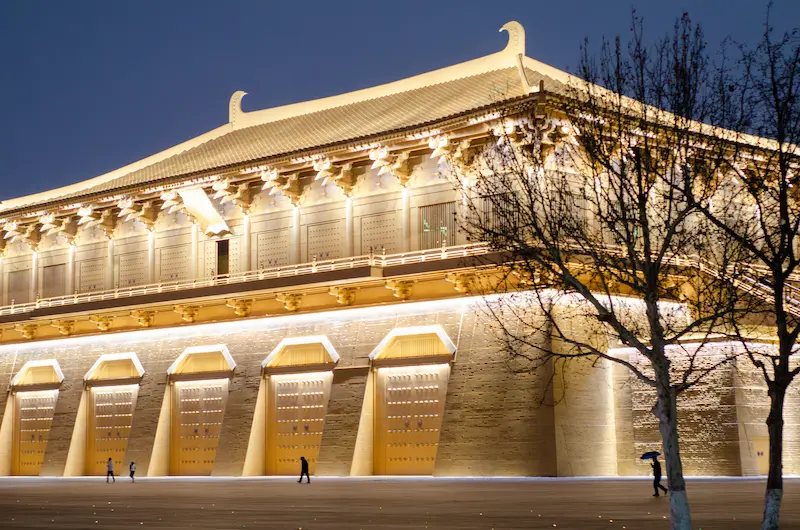
- Evening: Spectacular Tang Dynasty dinner show with colourful costumes, live music, and imperial-era dance performances.
- Overnight: Comfortable hotel inside or near the Xi’an city walls.
Day 2: Xi’ An → Zhongwei – First Taste of Desert
- Morning: High-speed train to Zhongwei (4–5 hrs).
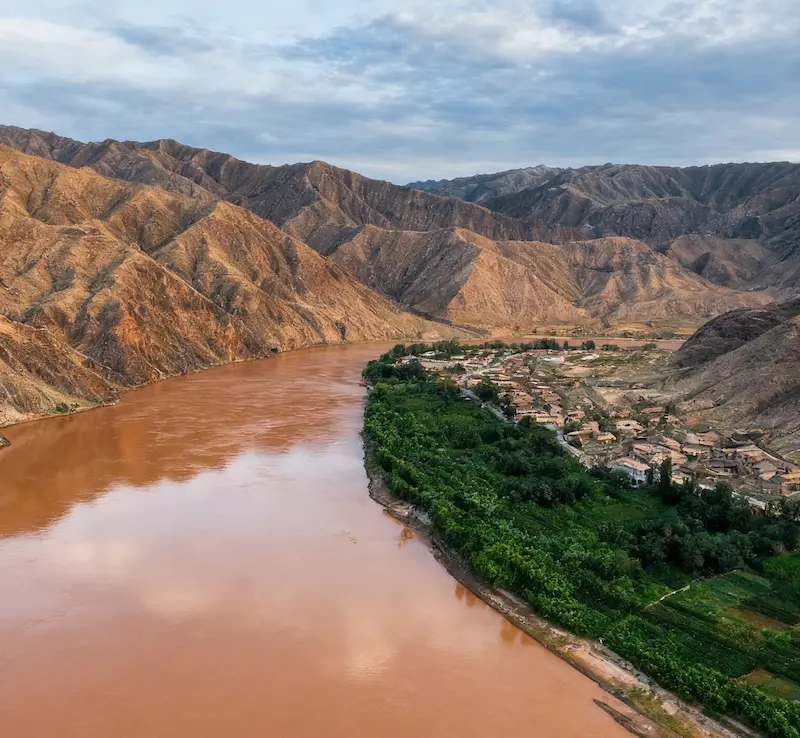
- Afternoon: Thrilling desert activities at Shapotou – camel ride and sand sledding down giant dunes where the Tengger Desert meets the Yellow River.
- Evening: Sunset stroll along the Yellow River with dramatic desert-and-water contrast.
- Overnight: Hotel in Zhongwei.
Day 3: Zhongwei – China’s “Route 66”
- Morning: Visit atmospheric Gao Temple – a rare Buddhist-Hindu-Confucian complex built into a hillside.
- Afternoon: Explore the mysterious 108 Pagodas of Qingtongxia and drive a stretch of China’s legendary desert “Route 66.”
- Evening: Relaxed evening at Ningxia Night Market tasting wolfberries, dried fruits, and local crafts.
- Overnight: Same hotel in Zhongwei.
Day 4: Zhongwei → Lanzhou
- Morning: Scenic transfer to Lanzhou. Visit to the iconic Yellow River Mother Sculpture and the historic Zhongshan Bridge (the first modern bridge over the Yellow River).
- Afternoon: After tasting authentic Lanzhou hand-pulled beef noodles, visit Gansu Provincial Museum – home to the famous Bronze Flying Horse and Silk Road treasures.
- Evening: Illuminated riverside walk along the Yellow River.
- Overnight: Comfortable hotel in Lanzhou.
Day 5: Lanzhou → Zhangye – Rainbow Mountains
- Morning: High-speed train to Zhangye.
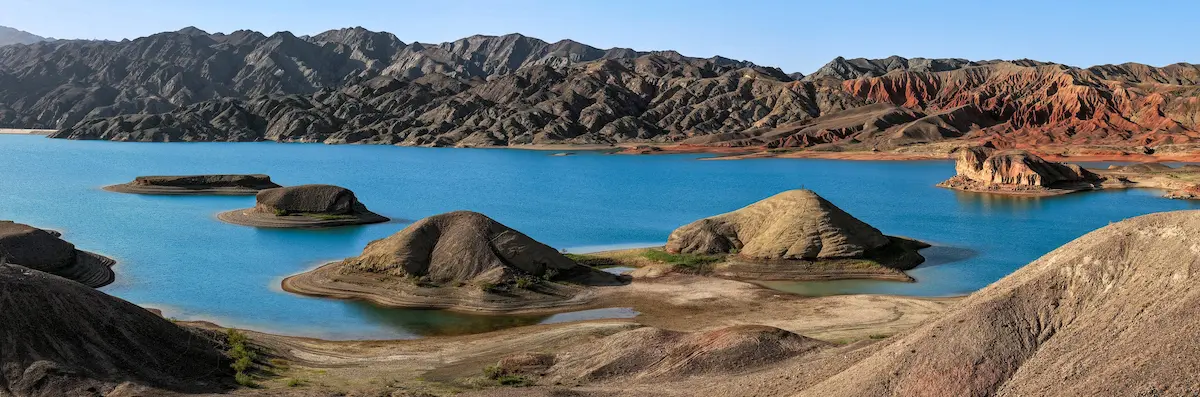
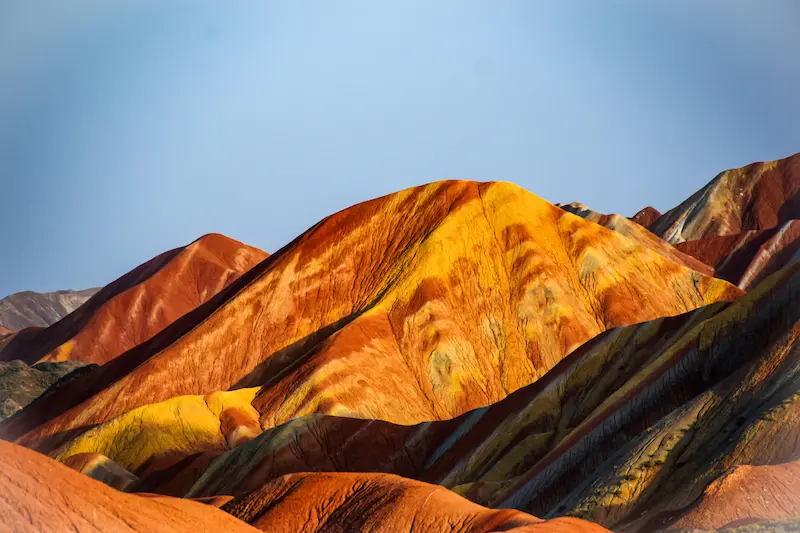
- Afternoon: Guided exploration of the breathtaking Zhangye Danxia Landform Geological Park – swirling layers of red, orange, and gold often called “China’s Rainbow Mountains.”
- Late afternoon: Visit the Giant Buddha Temple with its 35-metre reclining Buddha – one of the largest indoor Buddhas in China.
- Overnight: Hotel in Zhangye.
Day 6: Zhangye → Jiayuguan – End of the Great Wall
- Morning: Transfer to Jiayuguan.
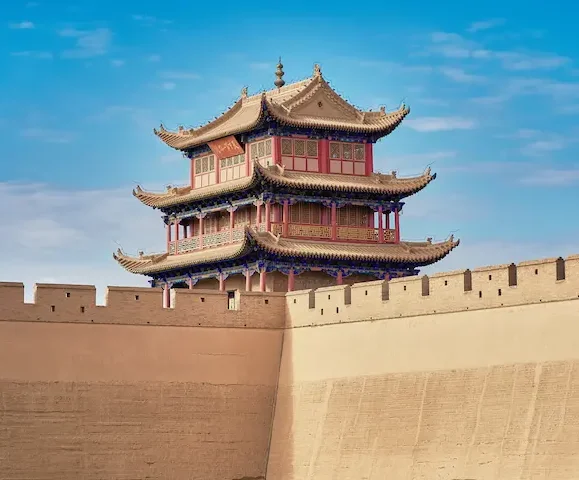
- Afternoon: Jiayuguan Fortress – the imposing “First and Greatest Pass Under Heaven.” Short hike up the dramatic Overhanging Great Wall for sweeping desert views.
- Evening: Leisurely walk in Jiayuguan City Park under the evening lights.
- Overnight: Hotel in Jiayuguan
Day 7: Jiayuguan → Dunhuang – Mogao Caves
- Morning: Drive across rugged landscapes to Dunhuang (4 hrs).
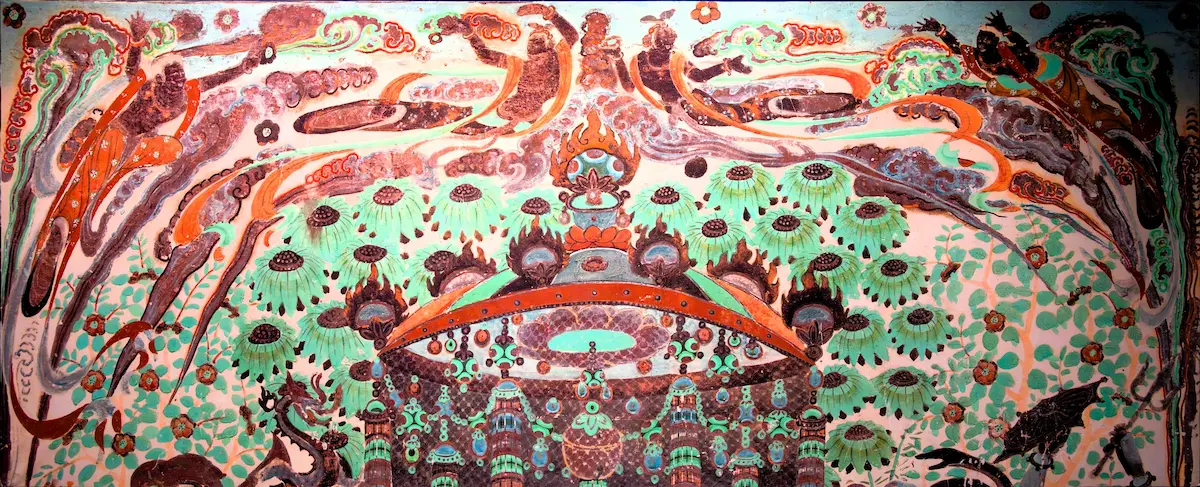
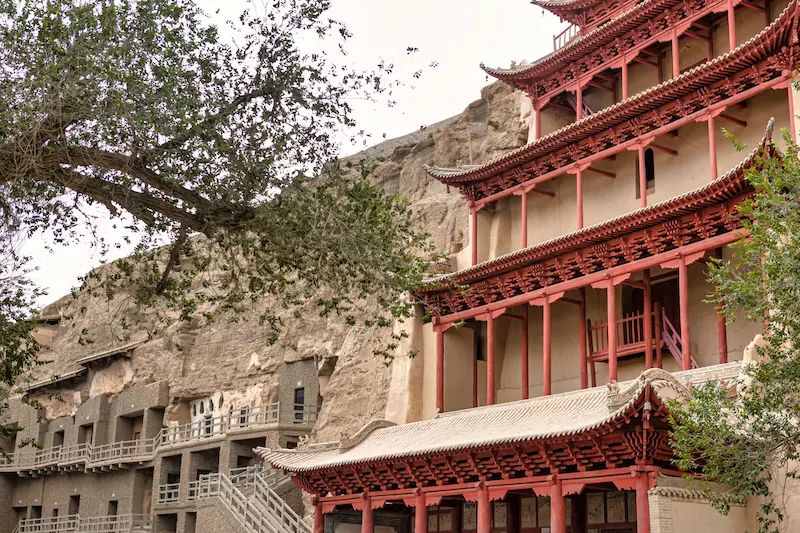
- Afternoon: Private guided tour of the UNESCO-listed Mogao Grottoes – 1,000 years of exquisite Buddhist art in 735 caves.
- Late afternoon and evening: Visit the Crescent Moon Spring Oaiss & Singing Sand Mountains – with camel ride and sandboarding available. Close the day with a magical sunset over the towering dunes.
- Overnight: Hotel in Dunhuang.
Day 8: Departure from Dunhuang
- Early morning: Sunrise excursion to Yadan National Geological Park – otherworldly “devil city” rock formations sculpted by wind.
- Afternoon: Transfer to Dunhuang Airport (DNH) for your onward flight.
Recommended 8-day itinerary. We handcraft each experience to match your style and budget.
Start designing your exclusive China journey today.
Xi’an (西安)
Though not located in Gansu Province, Xi’an in neighboring Shaanxi Province is a worthwhile addition to your northwestern China journey. This ancient capital served as the eastern terminus of the Silk Road and boasts over 3,000 years of history.
Highlights:
Terracotta Army Tour
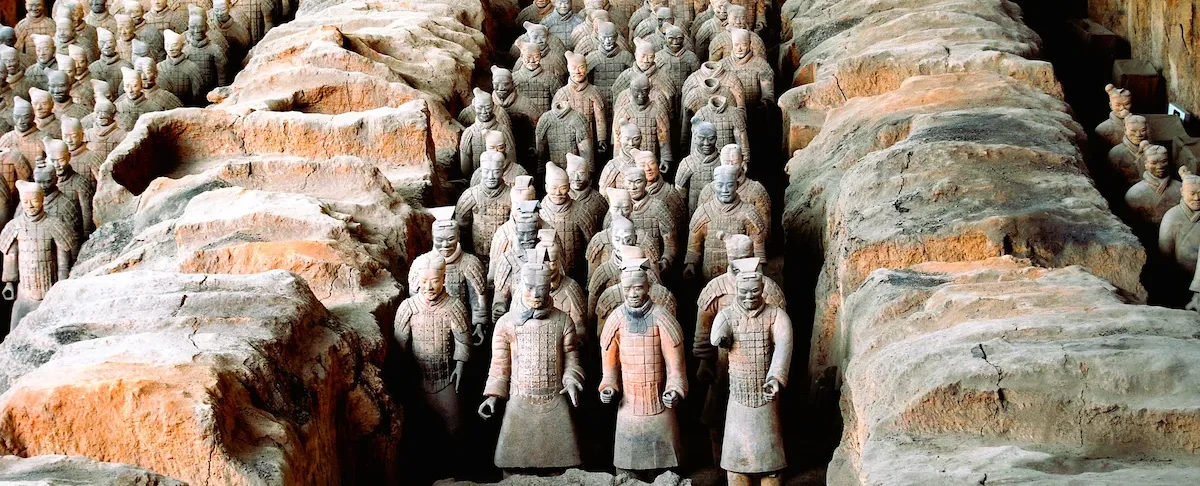
Marvel at Emperor Qin Shi Huang’s terracotta army—thousands of life-sized clay soldiers, standing guard for over 2,200 years.
Old Xi An, City Wall
Stroll atop China’s most complete ancient city wall, offering panoramic views along its 14km rectangular perimeter.
Muslim Quarter
Wander through bustling streets showcasing the rich heritage from Silk Road traders who settled in this historic neighborhood.
Terracotta Warriors
Over 8,000 Warriors
Discovered in 1974 by local farmers, the Terracotta Army represents one of the most significant archaeological finds of the 20th century. Over 8,000 unique clay soldiers, along with horses and chariots, were buried to protect Emperor Qin Shi Huang in the afterlife.
210 BCE Craftmanship
Each warrior features distinct facial features, hairstyles, and clothing details, showcasing remarkable craftsmanship from 210 BCE. The three excavated pits contain infantry, cavalry, and command units arranged in battle formation, offering insights into ancient Chinese warfare and imperial power.
UNESCO World Heritage
Today, this UNESCO World Heritage Site continues to astonish visitors with its scale and preservation, standing as a testament to the technological and artistic achievements of the Qin Dynasty.
Zhongwei (中卫)
Though lesser-known than Xi’an, Zhongwei in Ningxia Hui Autonomous Region is a hidden gem where the Yellow River meets the Tengger Desert. This frontier city blends Silk Road history, dramatic desert scenery, and Hui Muslim culture, offering an unforgettable stop on your Northwestern China itinerary.
Highlights:
Shapotou Area
Ride camels over golden dunes, then drift down the Yellow River on a traditional sheepskin raft. Try sandboarding or the “Desert Elevator” (a glass bridge spanning the dunes).
Road 66
“Road 66” (G338) in Zhongwei cuts through the stark beauty of Ningxia’s desert frontier, a raw, untamed corridor where the Silk Road’s echoes mingle with the howl of desert winds.
Lanzhou (兰州)
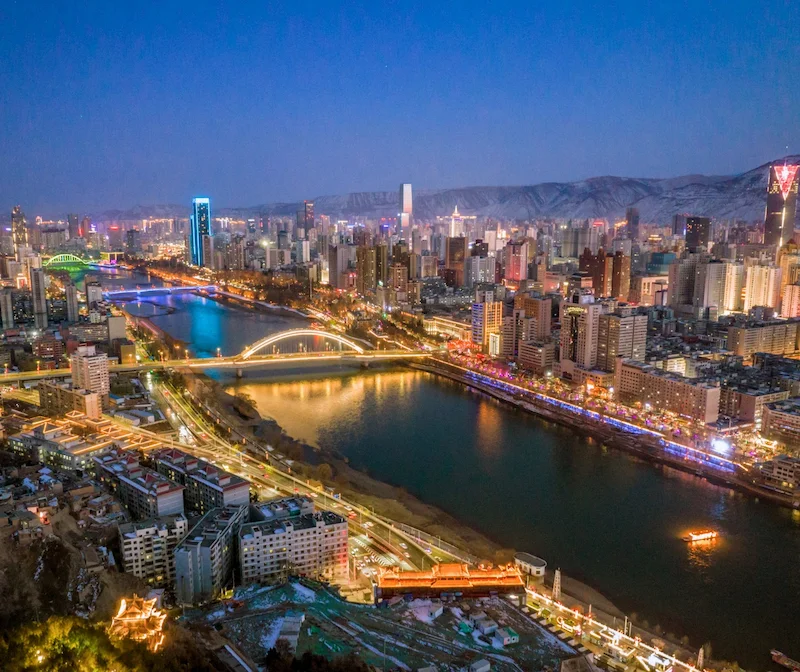
Positioned along the upper reaches of the Yellow River, Lanzhou serves as the capital of Gansu Province. This historic transportation hub sits in a narrow valley surrounded by mountains and hills, creating a unique urban landscape. Famous for its hand-pulled noodles and as a key station on the ancient Silk Road, Lanzhou blends its rich cultural heritage with modern development.
Highlights:
Zhongshan Bridge
The first permanent bridge across the Yellow River, built in 1907 and known as the “First Bridge under Heaven.”
Lanzhou Beef Noodle Soup
Sample the city’s famous hand-pulled noodles served in clear broth with tender beef and aromatic spices.
White Pagoda Mountain Park
Offering panoramic views of the entire city and the Yellow River from atop this popular urban mountain park.
Zhangye (张掖)
Located in central Gansu Province, Zhangye was once an important commercial hub on the ancient Silk Road. Nestled between the Qilian Mountains and Badain Jaran Desert, this oasis city is now famous for its spectacular rainbow mountains, colored land formations, its Buddhist heritage, and as the legendary birthplace of Kublai Khan.
Highlights:
Rainbow Mountains
Marvel at thes UNESCO-listed landforms, with their stunning striped patterns created by mineral deposits over millions of years.
Giant Buddha Temple
Visit the Dafo Temple housing China’s largest reclining wooden Buddha statue, stretching 34.5 meters and over 900 years old.
Binggou Danxia
Explore this less-visited section of the geopark featuring uniquely shaped landforms and stunning sunset views.
Jiayuguan (嘉峪关)
Standing as the western terminus of the Ming Dynasty Great Wall, Jiayuguan is a historic fortress city. This strategic pass marked the traditional boundary between Chinese civilization and the western regions. Known as the “First and Greatest Pass Under Heaven,” Jiayuguan served as a vital military garrison and key checkpoint along the ancient Silk Road.
Highlights:
Jiayuguan Fort
Explore this remarkably preserved Ming Dynasty fortress, once marked the symbolic boundary of imperial China.
Great Wall Museum
Discover the fascinating history of the Great Wall’s western section through artifacts, and interactive exhibits.
Overhanging Great Wall
Visit this unique section of the Great Wall built on a 45-degree slope, creating the illusion that it’s hanging in mid-air.
Dunhuang (敦煌)
Located in western Gansu, at the edge of the Gobi Desert, Dunhuang is an ancient oasis-city that served as a crucial gateway on the Silk Road. With over 2,000 years of history, known for its extraordinary Buddhist art, stunning desert landscapes, and rich cultural heritage, Dunhuang represents one of China’s most important historical and cultural destinations.
Highlights:
Dunhuang Murals
Explore the Mogao Caves, a UNESCO World Heritage site, featuring over 700 caves of Buddhist murals and sculptures spanning a thousand years, representing one of the greatest treasures of Buddhist art.
Mingsha Sand Dunes
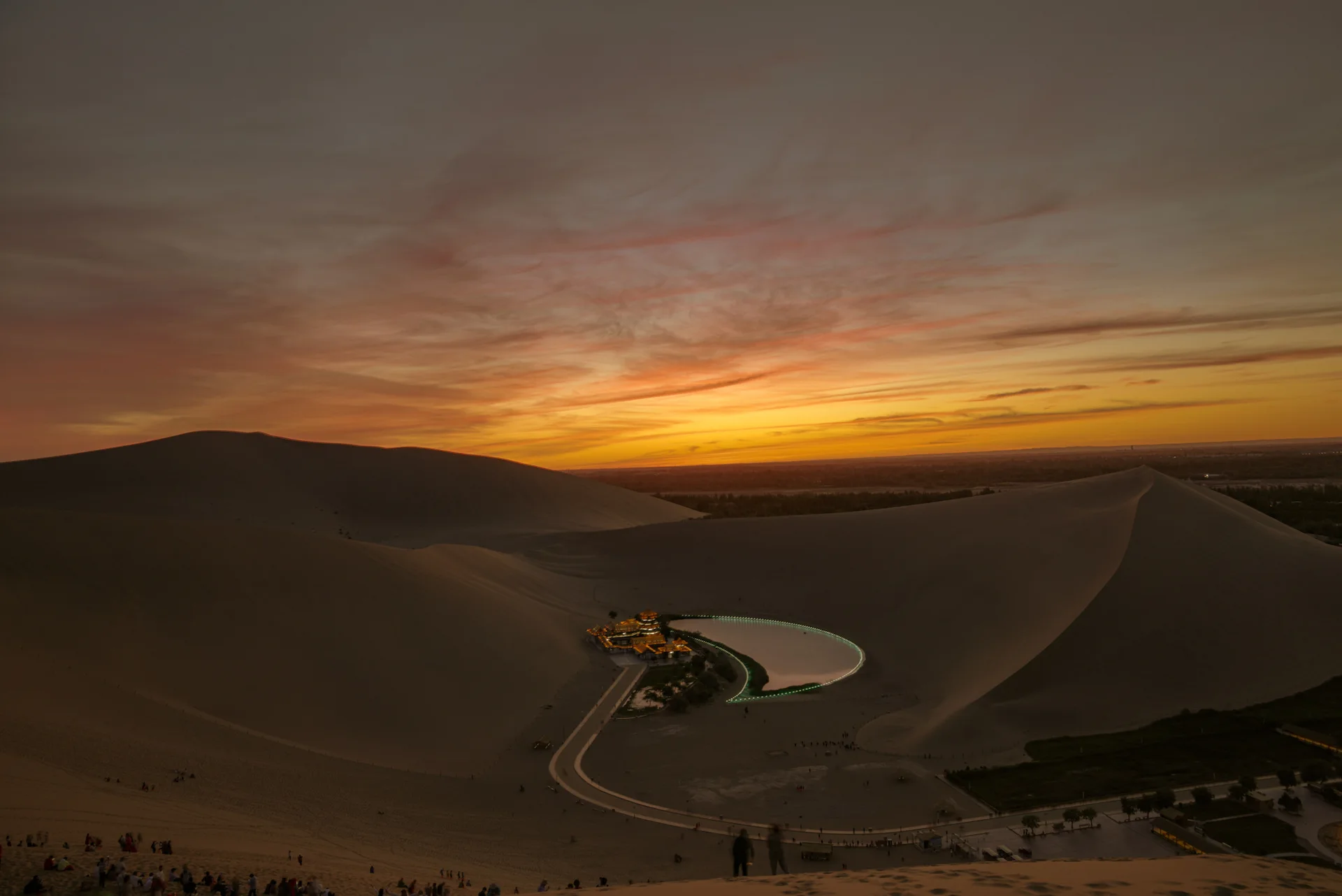
Visit the magnificent “Singing Sand Dunes” and Crescent Moon Spring – a stunning natural oasis nestled within towering sand mountains.
Crescent Moon Spring Oasis
Natural oasis
Nestled among the towering Mingsha Sand Dunes lies the miraculous Crescent Moon Spring (月牙泉), a natural oasis that has existed for over 2,000 years despite the harsh desert environment.
half-moon pool
This half-moon shaped pool of crystal-clear water is surrounded by a traditional Chinese pavilion, creating a stunning contrast against the golden sands that rise over 300 meters.
a silk road legend
Local legends claim the oasis never dries up despite desert winds constantly showering sand into it, making it a symbol of resilience and one of the most iconic natural wonders along the Silk Road.
Table Of Contents
Your Journey Includes:
Considering the customizable nature of your trip, please regard the following as indicative and subject to modification based on your preferences. What will be included will ultimately be clearly specified in the Travel Services Contract prepared specifically for your travel experience:
- Private Transfers & Transportation
- Private airport transfers at the start/end of the trip
- Private vehicle and driver for all major overland journeys outlined in the final itinerary / Rental vehicle for self-drive trips, including insurance coverage
- Major train journeys
- Domestic flights and related taxes
- Guide/Coordinator & Activities
- Dedicated English-speaking guide/coordinator
- All entrance fees and activity costs per itinerary
- Accomodation
- Hotels based on availability and your preferred travel style (double occupancy)
- Daily breakfast
- Travel Support & Equipment
- In the case of an independent trip, remote support from the Ink Voyages Team throughout the duration of your journey
- Camping equipment (tents, sleeping bags) where applicable
- Support for setting up the main Chinese apps required for traveling in China
Your Journey does not include:
Considering the customizable nature of your trip, please regard the following as indicative and subject to modification based on your preferences. Anything not included will be clearly specified in the Travel Services Contract prepared specifically for your travel experience:
- Chinese tourist visa (can be required for some foreign passport holders – See our dedicated section “Tips&Tools – VISA Guidelines”)
- International flights and related taxes
- In the case of a self-drive itinerary, fuel costs and tolls
- Excursions/activities beyond the planned itinerary
- Personal expenses
- Travel/medical insurance (See our dedicated section “Tips&Tools – Travel Insurance)
- Meals and dining expenses
- Gratuities for guides and drivers (at your discretion)
- Any items/services not specified in “Your Journey Includes”