Best Time To Visit China: An Expert Guide
Best Time To Travel China
Discover the best time to visit China with this comprehensive guide. China’s vast territory offers different travel experiences across its regions throughout the year. This Guide highlights the optimal destinations for each season based on climate conditions, cultural festivals, and unique regional attractions.
Table Of Contents
Spring (March–May): Best Time To Visit China By Regions and Climate
Best time to go to China? Spring transforms China into a vibrant wonderland with comfortable temperatures ideal for exploration.
Yunnan Province becomes a botanical paradise where rhododendrons, camellias, and alpine flowers flourish. Ancient towns like Lijiang and Dali offer pleasant temperatures with fewer tourists than summer.
Jiangsu and Zhejiang provinces showcase lakes and classical gardens: Suzhou’s gardens reach peak beauty while Hangzhou’s West Lake evokes scenes that have inspired poets for centuries.
Guilin and Yangshuo’s karst landscapes grow lush, with the Li River offering views of emerald waters. In Xinjiang Province’s Taxkorgan transforms into a fragrant paradise of apricot blossoms.
Spring temperatures typically range from 10–25°C across China. Southern regions warm quickly. By May, most destinations enjoy ideal temperatures for outdoor activities.
Spring: Festivals and Cultural Highlights
Spring turns China into a vibrant wonderland, where blooming festivals and sunlit outings thrive in the season’s gentle warmth.
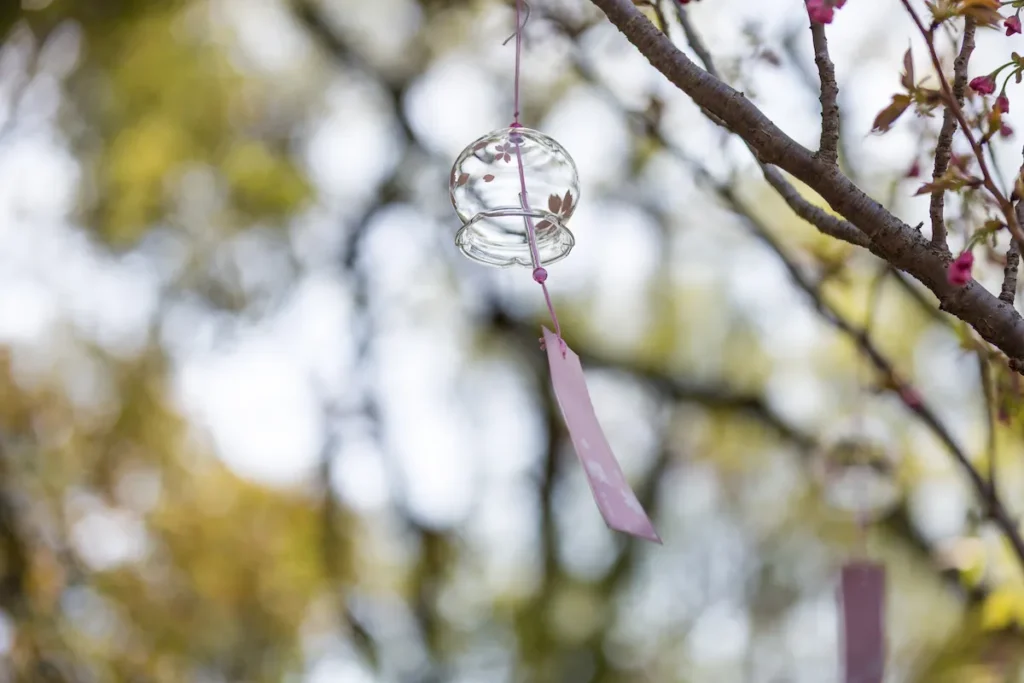
Suzhou’s Cherry Blossom Festival transforms gardens into pink and white spectacles from late March to early April. Visitors can enjoy traditional music and seasonal teas amid the blooms.
Hangzhou’s spring Longjing tea harvest features cultural festivities where visitors can pick tea leaves, learn processing methods, and attend traditional ceremonies.
In spring, Yunnan hosts ethnic minority celebrations, featuring traditional music, colorful processions, and ancient rituals that showcase China’s diverse cultural heritage.
Held on the second day of the second lunar month, the Dragon Head Raising Day marks nature’s awakening and spring plowing. Rural temple fairs include dragon dances and special foods.
Summer (June–Aug): Best Time To Visit China By Regions and Climate
Best time of year to visit China? Chinese regions know how to offer refreshing summer destinations with stunning landscapes and cultural experiences.
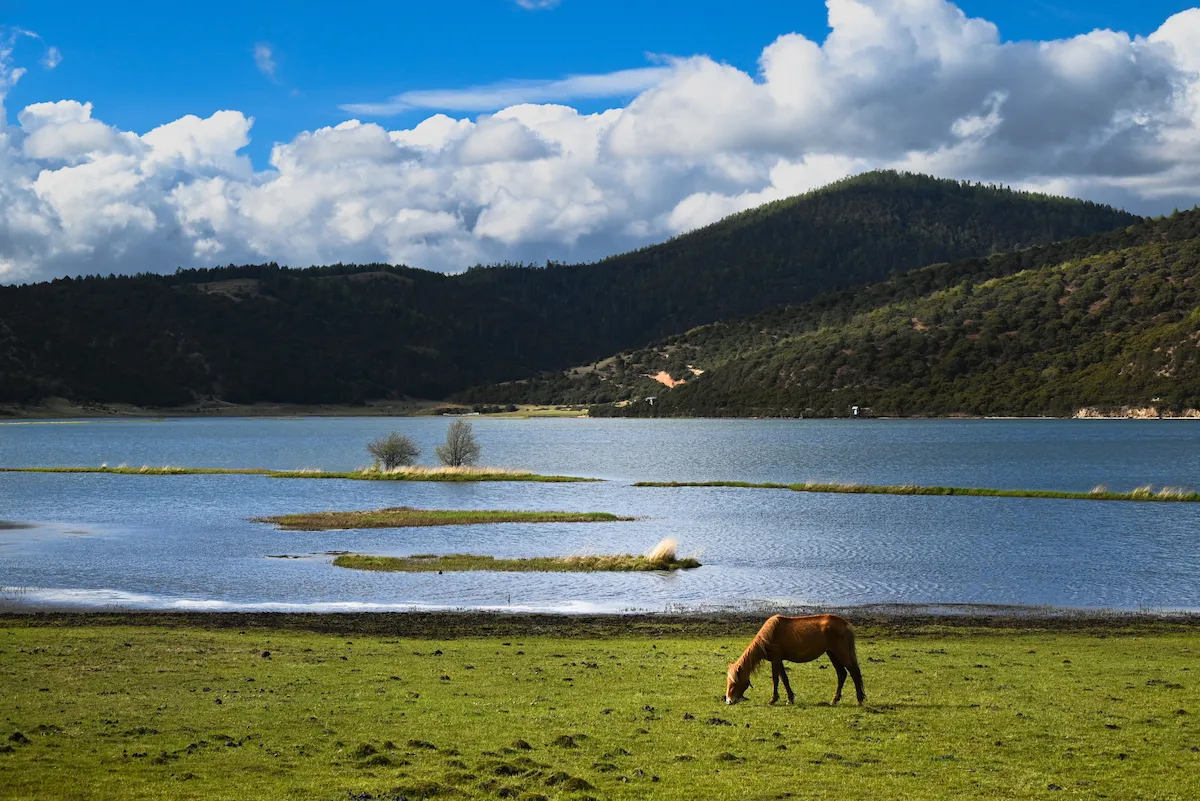
Inner Mongolia‘s grasslands transform into verdant expanses with temperatures of 15-25°C. Xilamuren and Gegentala provide views where visitors can experience nomadic culture, stay in yurts, and ride horses across the prairies.
The Qinghai-Tibet Plateau’s high-altitude moderates summer heat. Qinghai Lake shimmers with blue hues amid wildflower meadows, while Tibet’s sacred lakes Namtso and Yamdrok offer spiritual significance against mountain backdrops.
Harbin transforms from its winter Ice Festival fame into a pleasant summer retreat (18-28°C). The city’s Russian architecture creates a distinctive atmosphere, while Siberian Tiger Park and Sun Island Park offer outdoor activities.
Xinjiang Province combines dramatic landscapes with cultural diversity. Ancient Silk Road oases flourish with harvests of grapes, melons, and apricots. Though daytime temperatures reach 30°C, low humidity makes it more comfortable.
Summer: Festivals and Cultural Highlights
Summer ignites China with golden sunshine, bustling night markets, and emerald landscapes perfect for adventurous escapes.
Nadam Fair in Inner Mongolia celebrates Mongolian nomadic traditions through the “Three Manly Games”: horseback riding, wrestling, and archery. Visitors can enjoy performances and authentic local cuisine.
Qinghai Lake International Cycling Tour takes place at China’s largest saltwater lake (3,200m elevation) featuring international teams racing through stunning landscapes and traditional villages.
Kashgar’s Cultural Celebrations celebrates Uyghur traditions. Historic districts host markets and feasts, while visitors experience ancient Silk Road atmospheres.
In summer, Harbin hosts events showcasing its heritage through classical performances at venues like St. Sophia Cathedral. The International Beer Festival offers diverse brews alongside food and entertainment.
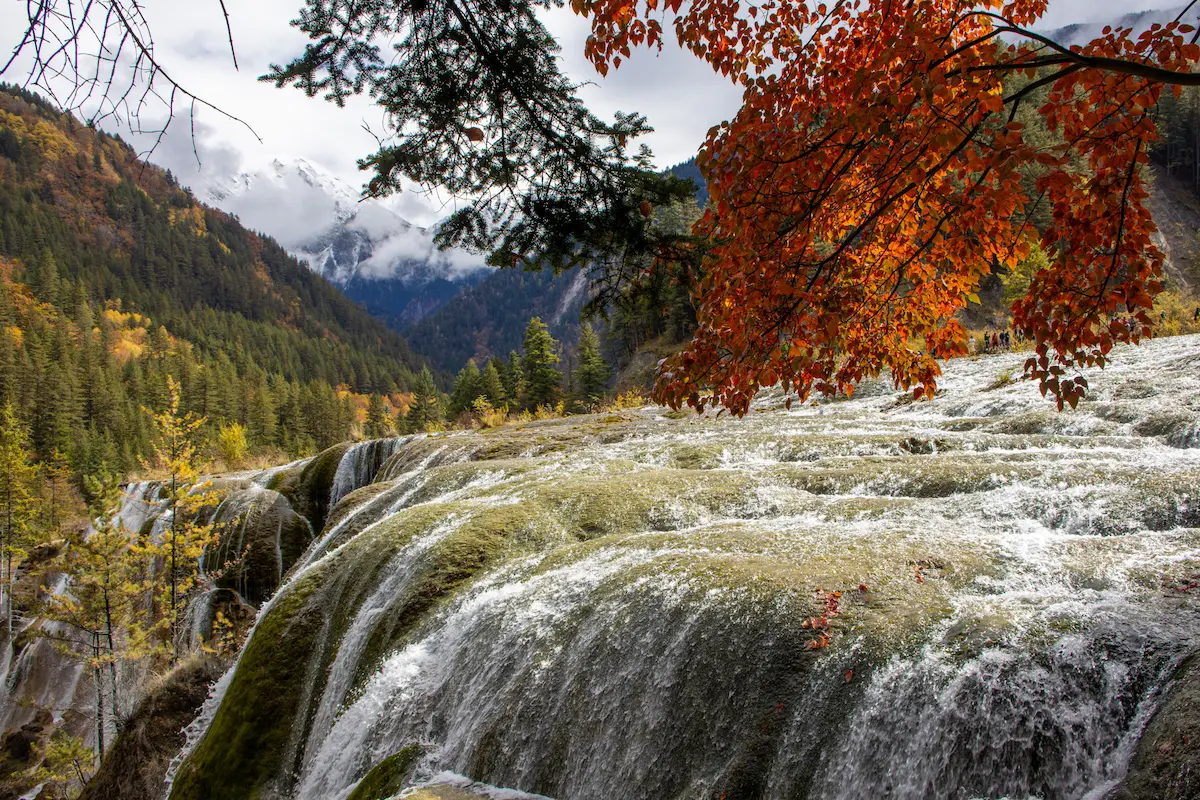
Autumn (Sept–Nov): Best Time To Visit China By Regions and Climate
When is the best time to go to China? Autumn offers China’s most pleasant travel conditions with mild temperatures, clear blue skies, and vibrant fall colours.
Sichuan Province combines natural beauty with cultural richness. Jiuzhaigou Valley National Park features multicolored lakes reflecting golden foliage. The mild weather keeps the beloved padas more active during daytime visits.
Beijing enjoys comfortable temperatures. The city’s parks and gardens transform with red, orange, and gold as ancient trees display their fall colors. The Great Wall offer stunning vistas as surrounding mountains blaze with autumn foliage.
Gansu province feature historical and geological wonders. The rainbow-striped Zhangye Danxia landforms reach peak visual impact with clear autumn skies, while the Mogao Caves near Dunhuang can be explored in comfortable temperatures.
Xinjiang Province dazzles in autumn with golden poplar forests and vineyard harvests. Crisp air carries the scent of roasting nuts, while Silk Road bazaars brim with spices. Daytime highs near 20°C fade into chilly nights perfect for hearty lamb stews.
Autumn: Festivals and Cultural Highlights
Autumn drapes China in golden hues, with crisp air perfect for wandering through fiery forests and moonlit celebrations.
Held on the 15th day of the eighth lunar month, the Mid-Autumn Festival fills China with stunning lantern displays. Families gather under the full moon to share mooncakes. Visitors can enjoy traditional performances, while markets offer regional mooncakes.
Xi’an celebrates its Silk Road heritage with autumn festivals along its ancient city wall, showcasing imperial processions, while the Muslim Quarter offers multicultural cuisine. Visitors can join workshops on paper cutting, puppetry, and calligraphy.
September’s Panda Festival highlights Chengdu’s conservation efforts during pandas’ most active season. The event showcases Sichuan’s culture through “face-changing” opera, tea ceremonies, and cuisine demonstrations.
National Day “Golden Week” (October 1-7) features nationwide celebrations. While cultural performances showcase contemporary Chinese society, attractions become extremely crowded. Do not forget to book ahead!
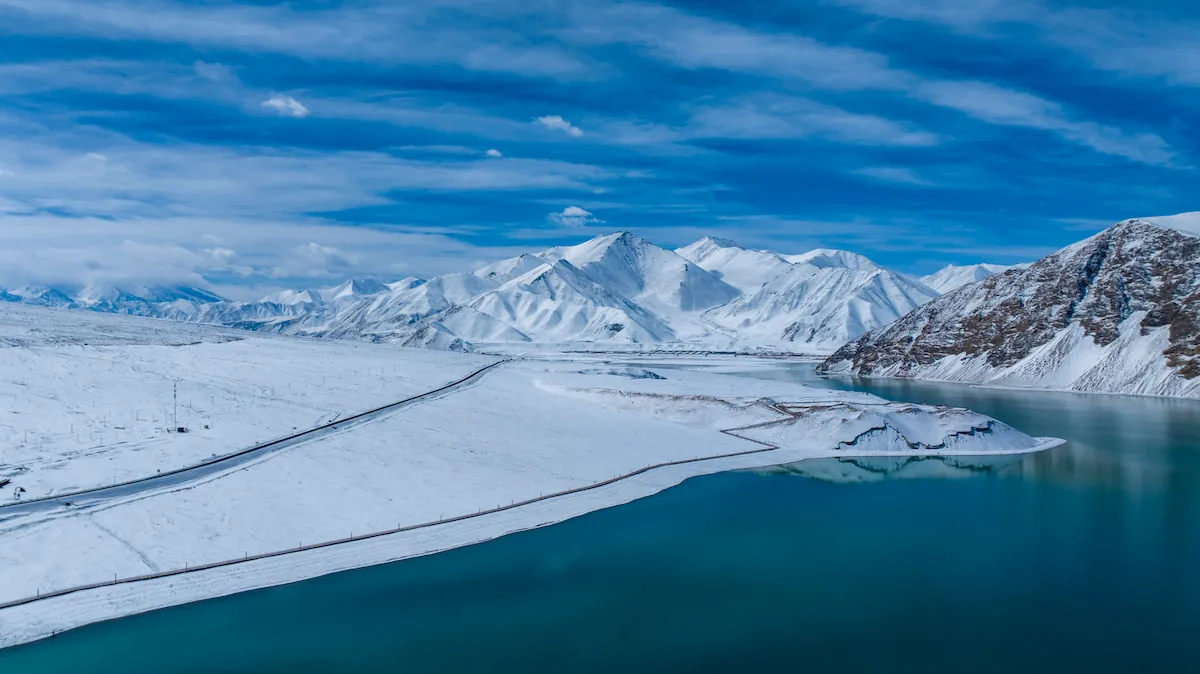
Winter (Dec–Feb): Best Time To Visit China By Regions and Climate
When is the best time to travel to China? Winter in China presents stark contrasts, from the frozen northeast to mild southern regions, offering everything from ice festivals to tropical beaches within one country.
Heilongjiang Province transforms into a winter wonderland, with Harbin’s famous Ice and Snow Festival featuring illuminated ice sculptures despite temperatures below -20°C. Nearby Yabuli hosts China’s largest ski resort.
Yunnan Province provides mild winters with Kunming, the “City of Eternal Spring,” maintaining 10-20°C temperatures. Dali and Lijiang offer comfortable conditions with snow-capped mountain views and fewer tourists.
Hainan, China’s southernmost province, serves as a tropical retreat with palm-fringed beaches and luxury resorts. Sanya maintains 20-25°C temperatures, attracting visitors seeking warmth during winter months.
Guangdong Province offers mild winter temperatures. Guangzhou hosts the annual Flower Fair during Chinese New Year, while Shenzhen features shopping and theme parks. Nearby Hong Kong can be easily reached from here.
Winter: Festivals and Unique Events
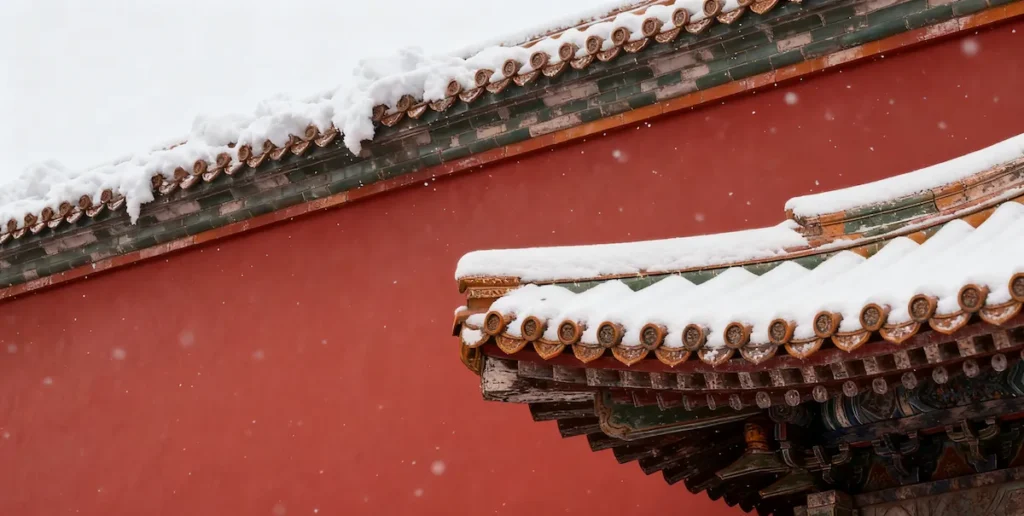
Winter cloaks China in a silver dream—snow-dusted pagodas, steaming hot pots, and New Year festivities under the crisp, starry nights.
Harbin Ice & Snow Festival showcases massive structures carved from ice and illuminated with colorful LEDs. With buildings reaching 40 meters, including ice slides, bars, and hotels, this extraordinary spectacle draws global visitors despite temperatures often reaching -30°C.
Chinese Lunar New Year (typically January-February) is the most important celebration in Chinese culture. It features temple fairs in major cities with folk performances, traditional crafts, and regional foods, offering visitors authentic insights into Chinese traditions.
During Hainan’s winter high season, Sanya hosts its Duty-Free Shopping Festival centered around Haitang Bay Duty-Free Shopping Center. The event features special promotions, pop-up markets, beach parties with international DJs and water sports competitions.
Yunnan’s diverse ethnic groups maintain unique winter traditions: the Bai people’s “Bench Dancing Festival,” Dai minority’s colorful processions, Naxi people’s Dongba religious ceremonies, and Yi people’s Torch Festival —all showcasing China’s remarkable cultural diversity.
When is the best time to visit China is a questions with different answers:
China‘s vast territory create different travel experiences throughout the year and each season in China reveals different facets. Whether witnessing spring blossoms in classical gardens, summer horseback riding across infinite grasslands, autumn foliage along the Great Wall, or winter ice sculptures in Harbin, seasonal specialties create distinctive travel experiences that showcase China’s diverse natural beauty and cultural heritage.