The Elegant Soul of Chopsticks
Table Of Contents
A Philosophy of Peace Over Conquest
At Ink Voyages, we have just learnt something worth sharing: the elegant soul of a very special object… In the heart of Chinese culture lies indeed a dailylife utensil that whispers tales of harmony: the chopsticks. Far from a mere eating implement, chopsticks carry an elegant, peaceful soul, rooted in ancient wisdom and evolving through millennia.
From Bronze Flames to Bamboo Grace: The Origins of Chopsticks
Originating around 1200 BC during the Shang dynasty, they began as bronze tools for cooking—stirring fires, handling hot morsels, and serving food with graceful precision. By the Han dynasty (206 BC–220 AD), they transitioned into everyday eating utensils, perfectly suited to a cuisine of bite-sized pieces, fluffy rice, and silken noodles. This practical evolution spread across East Asia, from Japan to Korea and Vietnam, through cultural exchanges, allowing the chopstick to become a quiet thread weaving through diverse societies. If you are interested to know more about China’s history and culture, have a look at our selection of private tours – each providing a genuine connection to China’s cultural soul.
Confucius and the Blade-Free Table
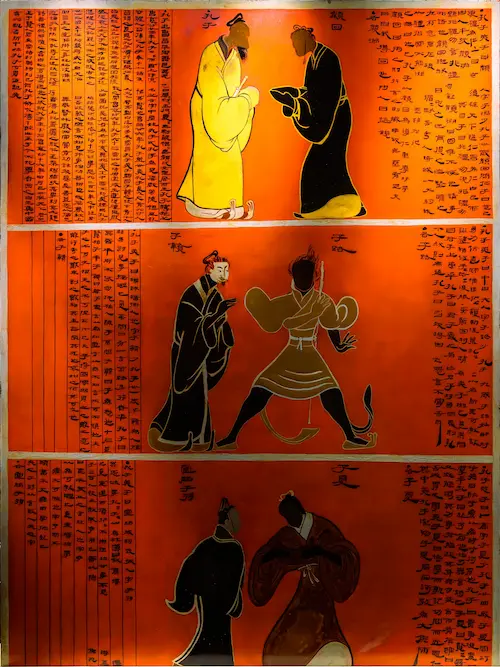
Yet, it is the profound philosophical layer, profoundly shaped by Confucianism, that elevates chopsticks to timeless symbols of grace and enlightenment. Confucius (551–479 BC), the sage whose teachings have guided East Asian societies for over two millennia, envisioned the dining table as a sacred microcosm of an ideal society—one governed by benevolence (ren), propriety (li), and harmony (he). He explicitly favored chopsticks, viewing them as gentle extensions of the hand that gather and nurture life, in stark contrast to knives and forks, which he associated with the brutality of warfare and ruthless conquest.
A Gentle Dance of Harmony: The Confucian Ideal in Motion
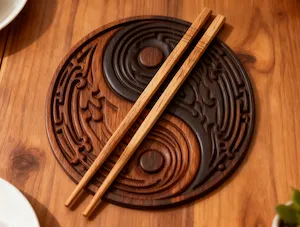
In Confucian thought, as echoed in aphorisms attributed to his school, “The honorable person does not allow blades upon the table,” for such tools evoke the cold edge of killing and social division, unfit for a space of civilized communion. Confucius taught that meals should embody virtues of restraint and mutual respect: chopsticks, with their paired wooden sticks, demand delicate coordination to pinch and balance food—mirroring the eternal balance of yin and yang, and the interdependence of family and community. The Chinese dialectic of yin and yang can also be discovered with a gentle tai chi course in Wudang Mountains, which we can arrange for you when we design your perfect China tour!
Peace in Every Gesture: The Meditative Art of Eating
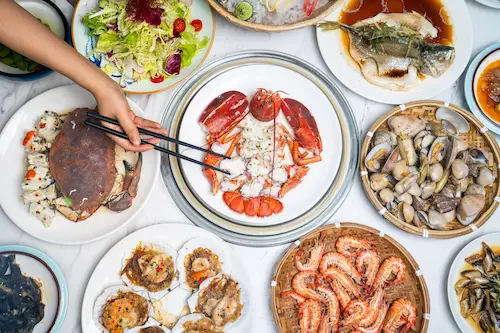
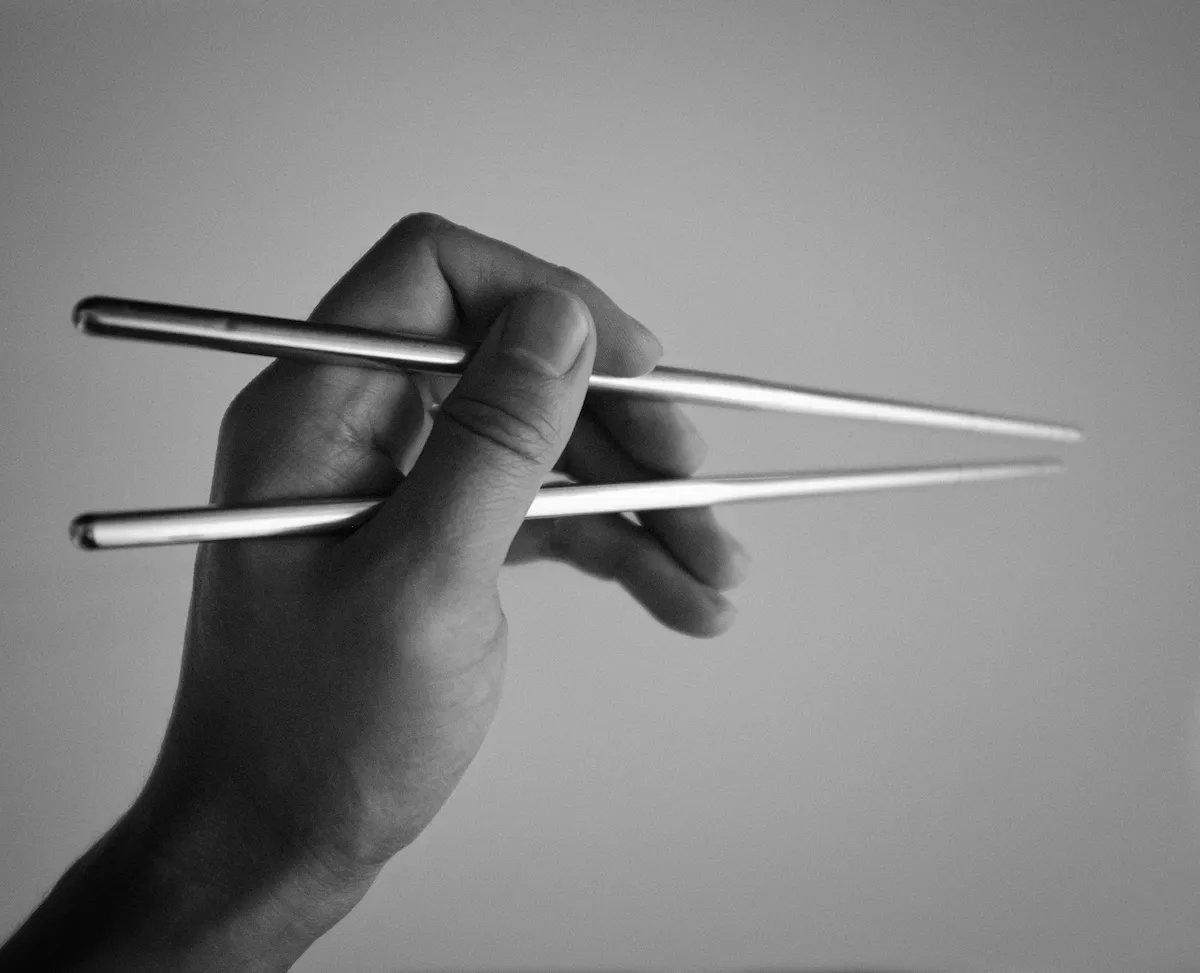
This deliberate, flowing motion discourages any hint of aggression, transforming the act of eating into a meditative ritual of peace. Through chopsticks, Confucius embedded non-violence into the very rhythm of daily life, ensuring that even the simplest meal reinforces a worldview of empathy over enmity, unity over strife.
The Communal Banquet: Harmony Served in Abundance
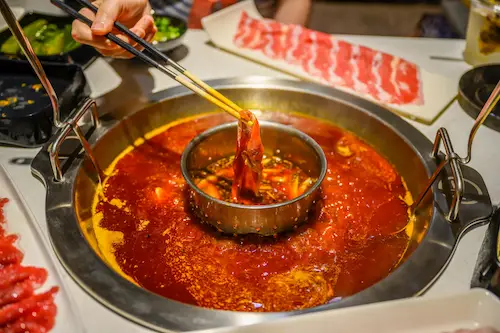
This philosophy extends seamlessly—and radiantly—to the Chinese way of eating, which blooms into a vibrant celebration of communal joy. Picture a bustling restaurant in Beijing or Guangzhou: dishes arrive in simultaneous abundance and are placed on a round table (圆桌 – yuán zhuō) that spins like a gentle wheel of fortune, inviting everyone to reach across with chopsticks in a collective dance. These joyful food-ceremonies happen everywhere in China. Choose the region you prefer to explore with our unique China travels, and we will make sure you can taste its local flavour!
The Language of Sharing: From Gesture to Generosity
Diners pick gracefully from communal dishes, one might serve another a prized morsel as a heartfelt gesture of care called jian, turning the meal into a flowing dialogue of flavors, laughter, and deep affection. Unlike solitary plates that isolate portions and emphasize the self, this shared banquet dissolves all boundaries, fostering a profound sense of “we”—a living, breathing embodiment of Confucian harmony where abundance is not hoarded but multiplied through generous giving.
Two Sticks, One Spirit: A Lasting Symbol of Connection
In essence, at Ink Voyages we learnt that chopsticks are more than humble tools; they are quiet ambassadors of an elegant, timeless worldview which unites diverse palates at one sacred table. Rooted in Confucius’s visionary blade-free banquet, they invite us to savor life with unhurried gentleness, to see dining not as conquest but as profound connection. Across East Asia, this tradition endures like a poetic river —a radiant reminder to stick in our dailylife to what beautifully unites.