The Ancient Tea Horse Road: A Journey Through Yunnan, Sichuan, and Tibet
Table of Contents:
Some roads represent the human capacity to find answers and solutions to life’s needs even in the most difficult conditions. For this reason, they enter history. At Ink Voyages, we believe the Ancient Tea Horse Road (“Cha Ma Gu Dao” in Chinese = “Cha/茶/tea – Ma/马/horse – Gu Dao/古道/ancient road”) is undoubtedly among them.
Sometimes included in the broader system of the so-called “Southern Silk Roads”, various goods were traded along this commercial route, including yak wool, medicinal herbs, salt, butter, furs, rice, and grains. However, the commercial and strategic dominance of tea and horses led to its legendary name and an independent historical identity.
A Dangerous Road
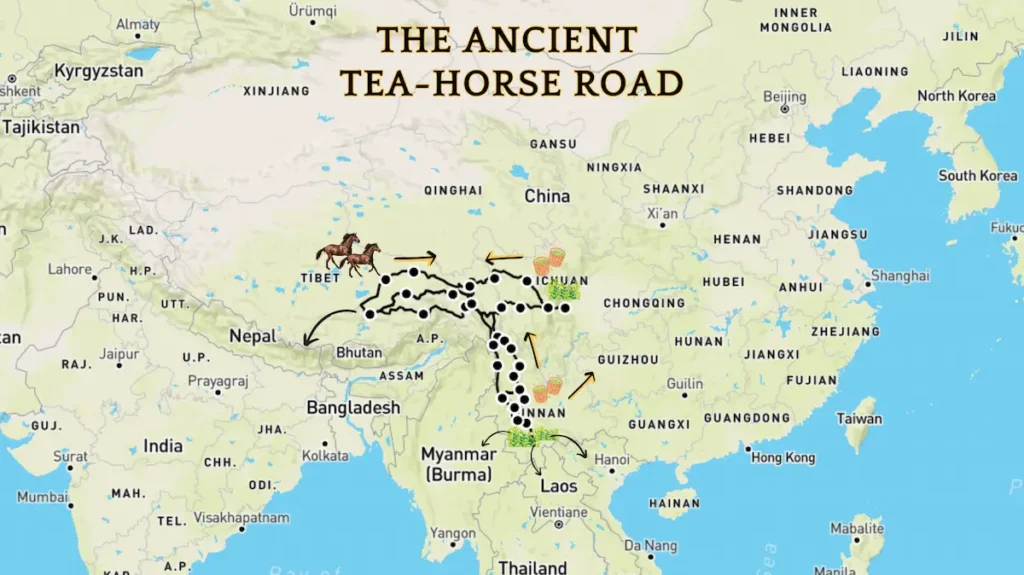
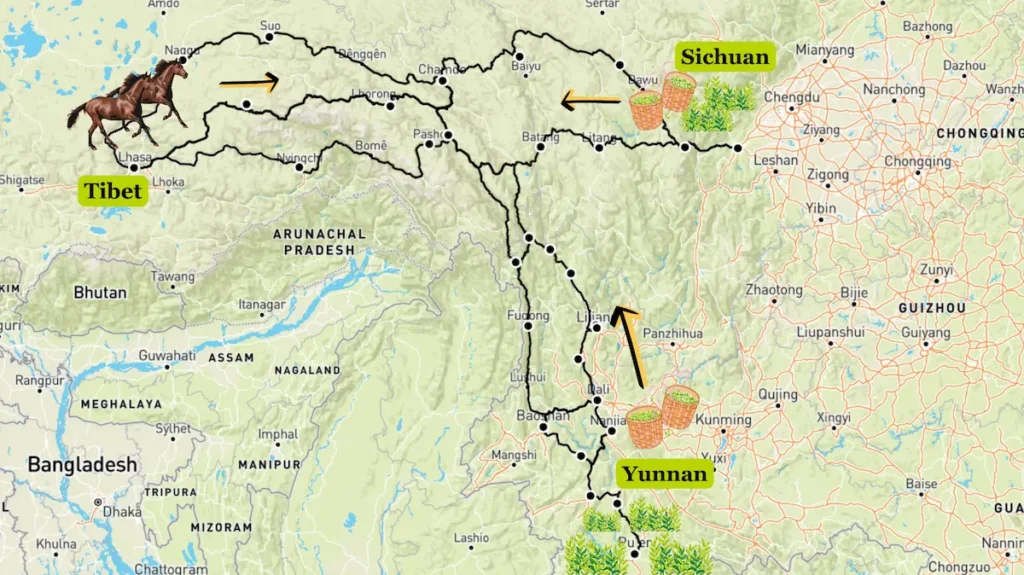
Imagine a “road” that is actually composed of multiple paths branching in many directions, all sharing one fundamental purpose: transporting tea from Yunnan and Sichuan to Tibet in exchange for horses, which were vital for both trade and war.
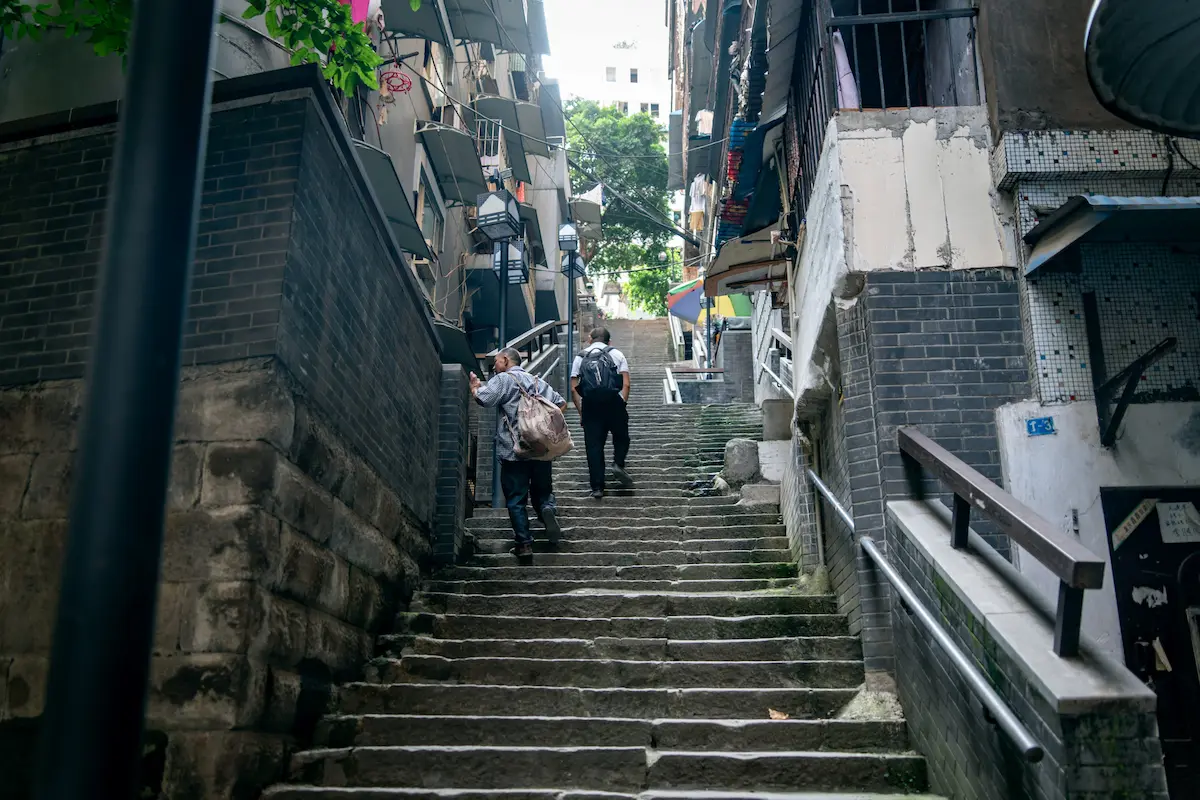
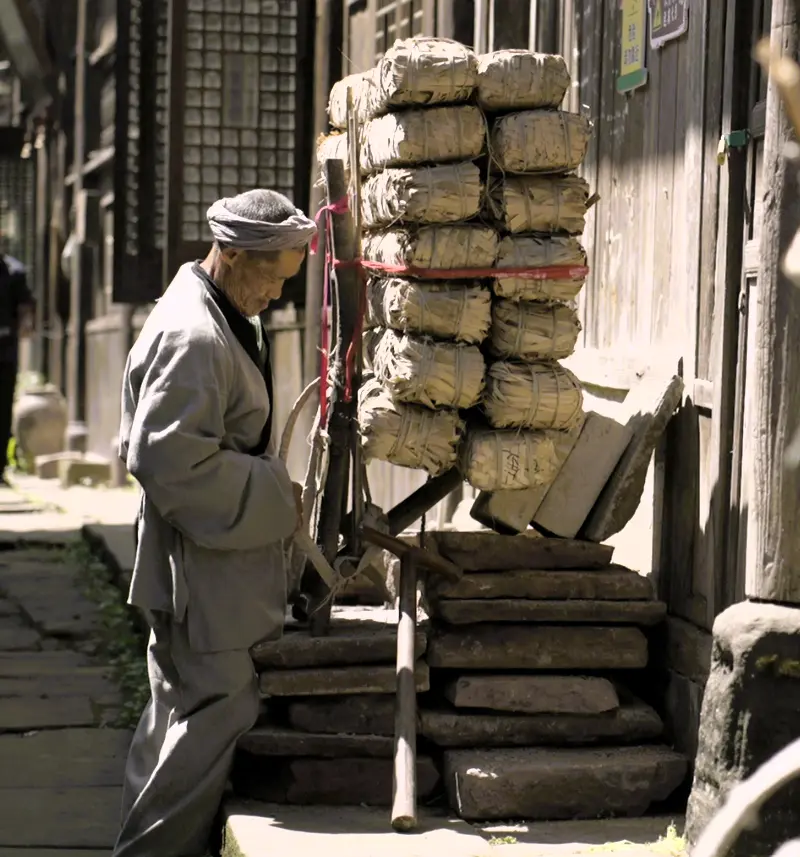
Imagine paths unfolding through the mountains, crossing passes over 4,000 meters high, with caravans composed only of pack animals and men—the routes being too rugged for carts to pass. Together, men and animals proceed dangerously and stubbornly along barely passable trails flanking precipices and deep gorges.
Imagine an expert muleteer, a mafu, leading the way and guiding a group advancing in single file over treacherous terrain. It is August, and rains are frequent in Yunnan. He curses every other step, urging the group not to stop. Suddenly, he hears a hoof lose its grip, the awkward braying of a mule… He spins around, but he is helpless. The animal, exhausted by the 70 kilograms of tea it has been carrying for over a month, slips on the crumbly soil and plunges below with its precious cargo.
The rushing waters of the Jinsha River swallow it forever. The Tea Horse Road has claimed another victim. But there is no time to stop: the caravan must push on toward Lhasa, where the precious tea from Pu’er is awaited.
Episodes like this were a reality along this merciless route. Beyond the difficulty of the terrain, there were human threats: caravans could fall prey to bandits attracted by the tea. To mitigate the risk, they were often escorted by Khampa nomads, skilled in combat. This did not always deter thieves (sometimes Khampa themselves), who would try to steal tea at night, occasionally replacing the tea bricks with soil or dry leaves to mimic their weight.
If you wish to delve deeper, you can read this National Geographic article and J. Fuchs’ book, “The Ancient Tea Horse Road: Travels With the Last of the Himalayan Muleteers.”
To experience it yourself (in total safety!), you can try one of our itineraries dedicated to the Ancient Tea Horse Road in Yunnan.
Tea in Exchange for Horses

Trade along this route intensified significantly during the Tang Dynasty (618-907 AD). Its main purpose was to transport two primary types of tea—one from Pu’er in Yunnan, the other from Ya’an in Sichuan—to Lhasa, Tibet. In exchange, horses came from Tibet, becoming the cornerstone of Chinese armies during a period when military effectiveness relied on light cavalry.
Tibetan horses were highly prized for their stamina, while tea provided the essentially nomadic Tibetan populations with a vital vegetable base to balance a protein-heavy diet. Tibetans integrated the drink with yak milk, creating Tibetan butter tea, which remains a pillar of local customs today.
While legend attributes the introduction of tea in Tibet to Princess Wen Cheng of the Tang Dynasty, given in marriage to the Tibetan King Songtsen Gampo, this is debated. According to some sources (Nature), tea may have been present in parts of Tibet as early as the 3rd century AD.
The association remains plausible, however, as it was during the Tang Dynasty that trade became structural, later being officially organized during the Song Dynasty (960-1279 AD). In 1074 AD, the Tea and Horse Bureau established the exchange rate: 60 kilograms of tea for one horse.
A mule could carry between 60 and 80 kg of carefully packed tea, balanced on its sides. Select animals carried up to 100 kg. On the initial stretches, tea was often carried by human porters—people who bore weights equivalent to those of pack animals, with stacks of tea bricks rising higher than the porters themselves.
A Branched and International Road
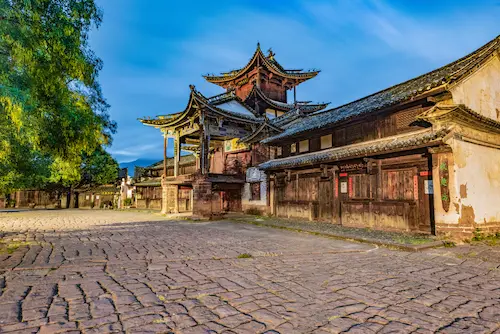
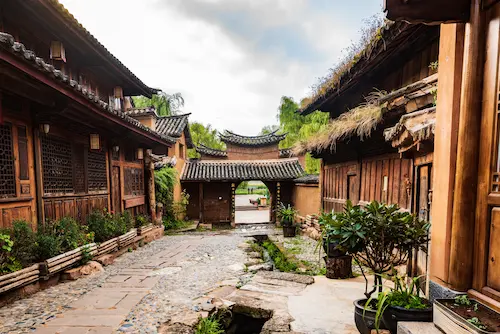
The network of routes extended for about 10,000 kilometers. The main branches were:
The Yunnan Branch (Pu’er to Lhasa): Approximately 2,500 km. It could take a year due to the terrain and rainy season (July-August). High-quality tea in “cakes” (bing cha) traveled here.
If you want to know more about Yunnan, you can read our travel guide to this beautiful region here.
The Sichuan Branch (Ya’an to Lhasa): Over 2,000 km, taking about 8 months. It transported “Zang Cha” (Tibetan tea) in rigid bricks, a tea intended for daily use.
Both are dark teas (hei cha). Ya’an tea was post-fermented before the journey to survive the trip; Pu’er tea improved naturally as it aged during the long trek.
There were also branches from Pu’er to Beijing for the imperial courts, and southward toward Myanmar, Laos, and Vietnam. South of Tibet, the road continued through Nepal to India, giving it an international reach similar to the Silk Road.
Conclusion: An Invitation to Explore
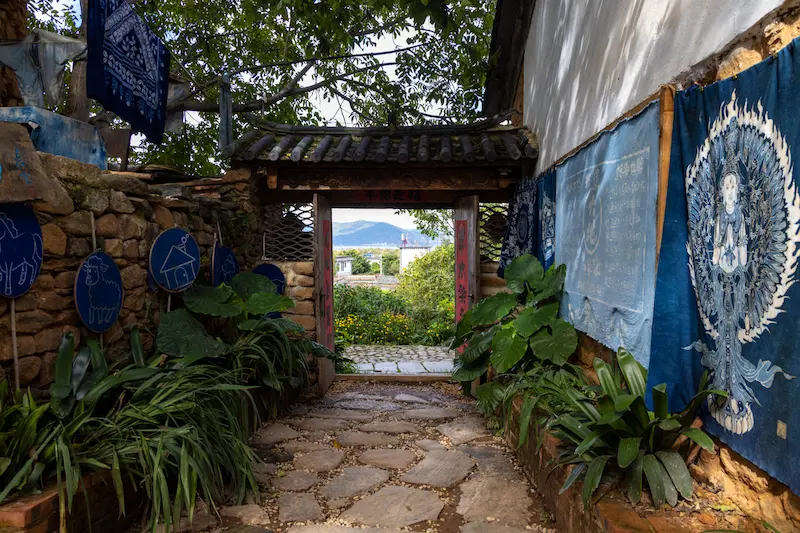
Modernity has replaced the ancient road with highways and railways. While progress has ended those superhuman efforts, this network of paths still radiates an irresistible allure.
If you are interested in exploring China deeply, browse our catalog of private trips to create your own adventure along this legendary road. Ink Voyages wishes you the best for your next explorations!